Top 10 Ways to Soundproof a Room Using Furniture

Time:2026-10-24 Author:Oliver
0%

A quiet room does not always need expensive construction. Sometimes, the furniture already inside can reduce echoes, soften reflections, and limit how sound travels. This guide explores how to soundproof a room using furniture placement, with practical ideas for bedrooms, home offices, apartments, and shared living spaces.

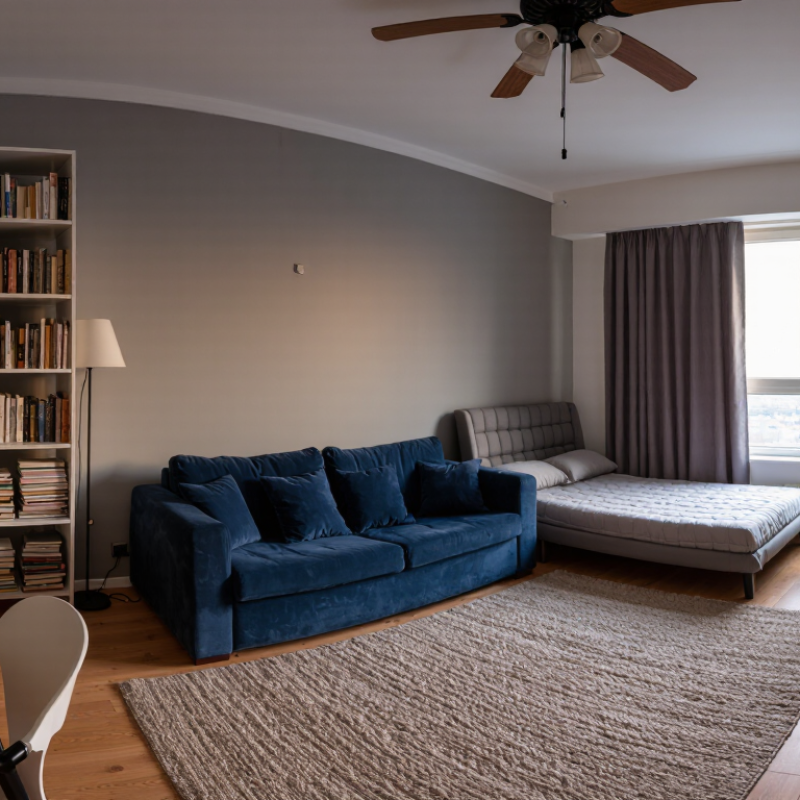
Dr. Lily M. Wang, an acoustical engineer and professor of architectural engineering, has said, “Sound control begins with understanding how sound moves through a space.” Her principle fits furniture placement well. A packed bookcase can interrupt sound near a shared wall. A thick sofa can absorb reflections across a hard floor. Heavy curtains can soften glass surfaces, while a rug can reduce the sharp footsteps beneath a desk.

Placement matters more than quantity. Keep large furniture against thin walls, especially those beside hallways or neighboring rooms. Leave fewer bare corners. Turn a bookcase into a dense, uneven sound barrier with books of different sizes. It will not create silence.

That distinction matters.

A wardrobe filled with clothes may perform better than an empty cabinet. A bed with a padded headboard can reduce reflections near the wall. However, furniture cannot seal gaps around doors, windows, or vents. I have seen rooms filled with furniture that still sounded noisy because sound bypassed every object.

This introduction prepares the ten strategies ahead. Each method considers absorption, blocking, spacing, and everyday usability. Some arrangements may look imperfect. That is acceptable. A quieter room should still feel comfortable, breathable, and practical.
Top 10 Ways to Soundproof a Room Using Furniture

Assess the Room’s Sound Paths and Furniture Layout

Before moving furniture, map the room’s sound paths. Speak near the door, window, shared wall, ceiling, and floor. Notice where your voice becomes brighter or louder. Sound often travels through gaps and structural connections, not only across open air. The World Health Organization’s Environmental Noise Guidelines for the European Region (2018) recommend indoor night levels below 30 dB(A) for good sleep. Furniture alone cannot guarantee that result.

Use heavy, tightly packed furniture along the noisiest shared wall. A full bookcase adds mass and breaks up reflections, while a sofa, rug, and thick curtains absorb mid- and high-frequency noise. Leave access to outlets and vents. Do not block a door gap with loose fabric; sealing that gap is usually more effective.

ISO 16283-1 explains that airborne sound insulation depends on measured transmission through walls, doors, and flanking paths, so visual symmetry is not an acoustic test. My practical mistake was placing every soft item in one corner. The room sounded dull there, but the opposite wall still reflected speech.

Tip: Walk the perimeter at night. Record the same sentence from three positions. Then rotate the layout and compare recordings at equal volume. Phone apps are useful for spotting changes, but certified measurements remain more reliable. WHO data helps define a health-based target; ASTM C423 testing helps evaluate absorption materials. Expect improvement, not silence. Furniture placement is often reversible, imperfect, and worth testing twice.

Use Large Furniture to Block and Absorb Noise

Top 10 Ways to Soundproof a Room Using Furniture

Use Large Furniture to Block and Absorb Noise

Large furniture can reduce everyday noise when placed against shared walls, doors, or windows. A packed bookcase adds mass and breaks the direct path of sound. Fill its shelves with books, storage boxes, and uneven objects. Empty shelves reflect noise instead of absorbing it. A tall wardrobe can also help, especially when positioned tightly against a thin wall. Leave enough space for ventilation and safe movement.

For softer absorption, place a deep sofa along the noisiest wall. Add thick cushions, folded blankets, or a heavy fabric cover. These materials reduce echoes inside the room, although they will not stop every outside sound. I have found that a rug beneath the sofa makes voices feel less sharp. Still, furniture alone cannot block strong bass or structural vibrations. That limitation is easy to overlook.

Tips: Move furniture slowly and test each position. Listen from the neighboring side when possible. Seal visible gaps around doors with suitable draft protection. Keep heavy items stable, and anchor tall units when needed. Do not push everything against one wall. A balanced layout often works better. I once overfilled a room and created awkward reflections near the ceiling. The result improved after leaving a small open area and adding a thick curtain.

Create Layered Barriers with Shelves, Cabinets, and Wardrobes

Shelves, cabinets, and wardrobes can create layered barriers around a noisy room. Place tall furniture against shared walls, leaving no large exposed gaps. Fill shelves with unevenly sized books, storage boxes, and folded textiles. This breaks sound paths and adds useful mass. Empty furniture mostly decorates.

A wardrobe works best when positioned between the noise source and the listener. Keep it closed, then add dense clothing, blankets, and drawers inside. The air pockets between garments help scatter mid- and high-frequency sound. According to the World Health Organization’s Environmental Noise Guidelines, bedroom noise should remain below 40 dB at night. Furniture cannot guarantee that target, but it can reduce distracting reflections and speech leakage.

Build depth carefully. Two furniture layers with a small air gap usually perform better than one thin unit. Seal visible gaps around corners with removable acoustic-friendly materials, where appropriate. ISO 10140 testing shows that laboratory wall performance depends on construction details, not surface appearance alone. That warning matters here. A heavy cabinet may block some sound, while low-frequency footsteps still pass through the structure. I once overfilled a bookcase and reduced its stability, which made the room less practical. Anchor tall units safely, avoid blocking ventilation, and measure results from the listening position. A simple decibel meter can reveal whether the arrangement helps, rather than merely looking substantial.

Add Soft Furnishings to Reduce Echo and Sound Reflection

Soft furnishings can make a room sound calmer without construction work. Start with the floor. A thick rug absorbs some high-frequency reflections from footsteps, voices, and furniture movement. Add a dense underlay if the floor feels hard and lively. Leave enough exposed flooring for safe movement and easier cleaning.

Cover large reflective surfaces with heavy curtains, fabric blinds, or lined drapes. Hang them close to the window, allowing extra width and folds. Those folds create more surface area for sound absorption.

An upholstered sofa usually performs better than a bare wooden bench. Place it near the wall where voices bounce back most clearly. Cushions and fabric throws also help, although their effect is modest.

My first attempt used too many cushions and too little floor coverage. The room looked comfortable but still sounded sharp. That mistake taught me to treat echo control as a balance, not decoration.

A wall hanging can soften reflections, but it will not block loud sounds from outside. Keep expectations realistic. For a more reliable result, clap from different corners and listen for a lingering ring. Move one furnishing at a time, then test again. Soft materials absorb some reflected energy, while gaps, thin fabrics, and bare glass continue sending sound around the room.

Seal Remaining Gaps and Fine-Tune the Room’s Acoustics

After placing furniture, inspect the gaps that still let sound travel. Sound often slips through doors, windows, outlets, and wall edges. I usually start with the door because its lower edge creates a noticeable opening. Add weatherstripping around the frame and a tight door sweep underneath. Press the seal gently against the floor, but avoid making the door difficult to close. A loose window latch may also leave a narrow path for noise. These small repairs can matter more than adding another heavy cabinet.

Furniture also changes how sound behaves inside the room. Move a full bookcase against a shared wall, keeping it stable and tightly packed. Leave a small gap behind it if the wall feels damp or uneven. Use a thick rug beneath hard furniture to reduce footfall noise and sharp reflections. Heavy curtains can soften glass surfaces, while an upholstered chair absorbs sound near the listening position. Too much soft furniture may make the room feel dull, though. I learned this after covering nearly every hard surface.

Fine-tuning requires careful listening, not guesswork. Clap once near the center and listen for a ringing echo. Then speak from different corners. If one area sounds harsh, reposition a shelf or add a fabric panel there. Check the room at night, when outside noise is easier to notice. I once blamed thin walls for a problem caused by a three-millimeter door gap. Measure twice. Adjust slowly.

FAQS

Can large furniture soundproof a room completely?

No. It can reduce everyday noise and echoes. A packed bookcase adds mass against a shared wall. Strong bass and structural vibration may still pass through.

Where should I place a bookcase for better noise reduction?

Place it tightly against the noisiest shared wall. Fill the shelves with books, boxes, and uneven objects. Empty shelves can reflect sound. Keep the unit stable.

Does a sofa help reduce room noise?

Yes, especially along a noisy wall. Add thick cushions, folded blankets, or a heavy fabric cover. A rug underneath can make voices sound less sharp.

What soft furnishings reduce echo most effectively?

Thick rugs, dense underlay, heavy curtains, and upholstered seating can soften reflections. Hang curtains with extra width and visible folds. Thin fabrics help less.

Can curtains block outside noise through windows?

Curtains mainly reduce reflections inside the room. They may soften incoming noise, but they cannot block every outside sound. Check the window latch and nearby gaps.

How can I seal sound gaps around a door?

Add weatherstripping around the door frame. Install a tight door sweep underneath. It should touch the floor gently. A poor seal can make a small gap surprisingly noticeable.

How do I test whether furniture placement is working?

Move one item at a time. Clap near the room’s center and listen for ringing. Speak from several corners. Test again after each adjustment. Listen at night, too.

Can too much furniture make room acoustics worse?

Yes, sometimes. Overfilling a room can create awkward reflections near the ceiling. Leave a small open area. I once used too many cushions and missed the hard floor.

Should heavy furniture touch the wall directly?

Usually, close placement helps reduce sound paths. Leave a small gap if the wall feels damp or uneven. Keep ventilation and safe movement in mind. Anchor tall units when necessary.

What should I remember when using furniture for noise control?

Balance blocking and absorption. Do not push everything against one wall. A rug, full bookcase, and sealed door may work better together. My earlier assumptions were too optimistic.

Conclusion

Soundproofing a room with furniture begins by identifying where noise enters, escapes, or reflects. The position of doors, windows, thin walls, and open corners should guide the layout. Learning how to soundproof a room using furniture placement can make a noticeable difference: large bookcases, wardrobes, cabinets, and sofas can be positioned along noisy walls to add mass and absorb sound. Staggering these pieces can also create layered barriers that interrupt the path of noise.

Soft furnishings help control echoes and reduce sound reflection. Thick curtains, rugs, upholstered chairs, cushions, and fabric wall hangings can make the room quieter and more comfortable. After arranging the main furniture, inspect gaps around doors, windows, and wall edges, then use suitable seals or draft blockers to limit sound leakage. Finally, fine-tune the room by listening from different areas and adjusting furniture, shelves, and soft materials until unwanted noise and reverberation are minimized.

Oliver

Oliver

Oliver is a seasoned marketing professional with a wealth of expertise in driving brand awareness and engagement. With a deep understanding of our company's product offerings, he consistently delivers high-quality content that enriches our professional blog. His insights not only shed light on......