China Top 10 Tips for Mixing Modern and Traditional Furniture Styles?

Time:2026-08-18 Author:Henry
0%

Mixing modern and traditional furniture styles can seem daunting. However, it creates a unique living space. Understanding how to mix modern and traditional furniture styles is an art. It allows you to express your personality and taste.

Each style has its own charm. Traditional pieces often carry history and warmth. Modern designs bring in clean lines and a fresh feel. Striking a balance between these can be rewarding, yet challenging. Too much contrast may create visual confusion. But, when done right, the result is stunning.

Consider the color palette carefully. Combining a sleek modern sofa with an intricately carved traditional chair can work beautifully. Pay attention to textures as well; a soft modern rug under a vintage table can tie the room together. It’s all about creating harmony, even within contrasts. Embracing imperfections can lead to unexpected beauty. So, take risks, and let your space evolve naturally.
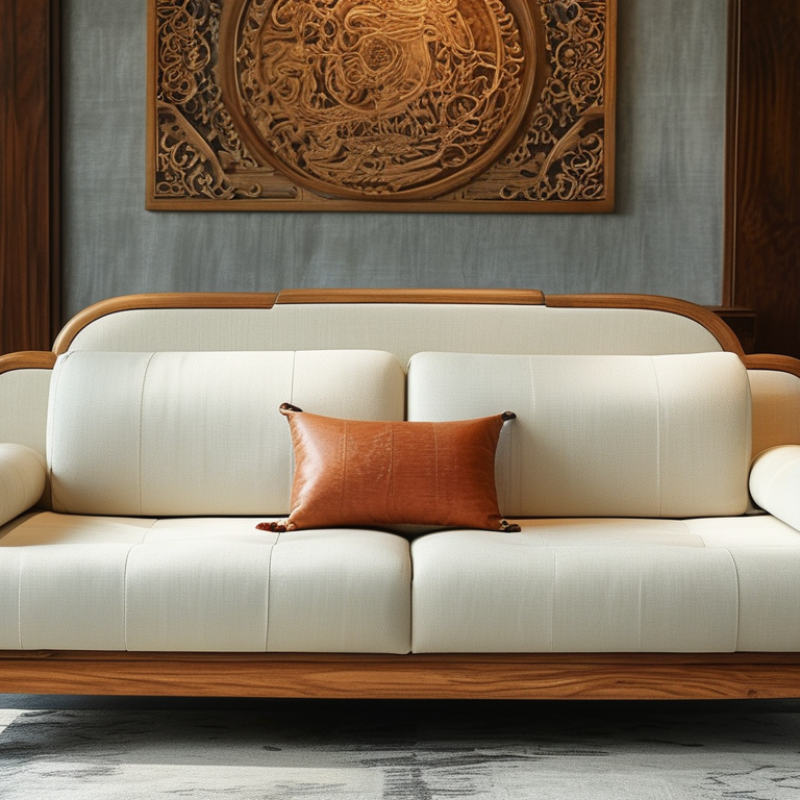
China Top 10 Tips for Mixing Modern and Traditional Furniture Styles?

Tips for Creating Balance Between Modern and Traditional Furniture Styles

Mixing modern and traditional furniture styles can create a beautiful and unique space. Achieving balance is key. Here are some tips to help you along the way.

One effective way to create harmony is by incorporating a color palette that ties both styles together. For instance, use neutral tones with accents from traditional pieces. This can create a cohesive look across the room. You might find a modern sofa in a muted gray that complements rich wooden chairs.

Another tip is to vary the scale of your furniture. Pair a large, modern coffee table with delicate, traditional side tables. This contrasting scale can create depth and interest. However, be cautious. Too many contrasting elements can lead to chaos. You need to ensure that your pieces speak to each other.

Consider mixing textures as well. A smooth leather chair can contrast beautifully with a plush, vintage rug. This layering invites the eye to explore different aspects of the room. Remember to reflect on your choices. Balance is about making thoughtful decisions, not just random placements.

China Top 10 Tips for Mixing Modern and Traditional Furniture Styles

Tip Number Tip Description
1 Choose a Focal Point Select a standout piece from either style to serve as the room’s centerpiece.
2 Blend Materials Combine wood finishes, metals, and fabrics from both modern and traditional styles for cohesion.
3 Maintain a Color Palette Choose a unified color scheme to link modern and traditional pieces together.
4 Use Accessories Wisely Incorporate decorative elements that reflect both styles, such as vases or art.
5 Balance Shapes and Lines Mix curved traditional shapes with sleek modern lines to create visual interest.
6 Layer Textures Combine different textiles and surfaces for a more dynamic space.
7 Incorporate Natural Elements Use plants and natural materials to bridge the gap between styles.
8 Don’t Overcrowd Ensure there’s enough space between each piece to maintain balance and flow.
9 Personalize with Art Feature art that reflects both modern and traditional influences to unify the styles.
10 Experiment and Adjust Be open to rearranging pieces until you find the perfect balance that works for you.

Understanding the Core Principles of Modern and Traditional Furniture Design

Mixing modern and traditional furniture styles can create a unique and personal space. To achieve harmony, it’s important to understand the core principles behind each design. Traditional furniture often emphasizes craftsmanship and intricate details. Pieces may feature rich wood finishes, ornate carvings, and classic patterns. Modern furniture, on the other hand, tends to focus on simplicity, functionality, and clean lines. It often uses materials like metal and glass, promoting a minimalist aesthetic.

When blending these styles, consider color palettes and textures. A neutral palette can help to unify pieces. For example, pairing a sleek glass coffee table with a wooden, traditional armchair can foster visual interest. However, be cautious not to overwhelm your space with conflicting styles. Strive for balance. Large bold pieces might dominate the room, leaving smaller elements feeling neglected. Thoughtful placement is key.

Don't shy away from imperfections—they add character. A vintage table might not fit perfectly with modern chairs, but that contrast can make a room feel lived-in. Reflecting on your choices is crucial. Ask yourself if each piece resonates with your personal style. Remember, designing a space should be about what feels right for you, not just adhering to trends.

Mixing Modern and Traditional Furniture Styles

Popular Color Palettes: Harmonizing Old and New in Interior Design

Harmonizing modern and traditional furniture styles involves selecting the right color palettes. A cohesive color scheme can make diverse pieces look intentional. Soft neutrals often work well as a unifying backdrop. Shades such as beige, gray, or off-white create a serene foundation. These colors allow the unique details of each piece to shine.

Adding bold accents can transform a space. Deep blues or rich greens can provide a striking contrast against lighter tones. Consider pillows, art, or vases in these vivid shades. They can breathe life into your interior without clashing with traditional elements.

When mixing styles, pay attention to proportions. Large, ornate furniture might overpower sleek, modern designs. Focusing on balance is crucial. Smaller traditional pieces can complement larger, contemporary items effectively. Each item should tell a story while fitting into the overall narrative of your space. This thoughtful approach can elevate your home’s aesthetic, creating a dialogue between the old and new.

Incorporating Cultural Elements: A Guide to Authenticity in Design Choices

Incorporating cultural elements into your design can significantly enhance the authenticity of your space. Traditional Chinese furniture often features intricate carvings, unique shapes, and rich histories. Mixing these pieces with modern furniture can create a beautiful contrast. For instance, pairing a classic wooden chair with a sleek metal table adds depth to your room.

Colors play a vital role in bridging the gap between styles. Earthy tones from traditional pieces can soften the starkness of modern designs. You can also use textiles to introduce cultural elements. Consider traditional silk cushions or patterned rugs that tell a story. These details invite conversation and reflection.

However, achieving harmony can be challenging. The key is balance. Too many contrasting styles can create visual chaos. It's important to experiment with proportions and placement. You might find that what seemed perfect at first doesn’t feel right later. Don't hesitate to change and adapt your choices for a cohesive look. Embrace imperfections, as they often lead to the most inspiring designs.

Key Statistics on Consumer Preferences for Mixed Furniture Styles in China

In China, mixing modern and traditional furniture styles is increasingly popular. According to a recent survey by the China National Furniture Association, 65% of consumers prefer a blend of both worlds. This trend reflects a desire for unique, personalized living spaces that honor heritage while embracing contemporary aesthetics.

Interestingly, a report by Statista indicates that 58% of respondents believe mixed styles create a well-balanced ambiance. Consumers often seek pieces that reflect their identity. However, challenges arise. Many struggle to find cohesive elements that connect traditional and modern designs. Misjudged color combinations or incompatible materials can disrupt harmony.

Another study highlights that 72% of homeowners feel confident in experimenting with different styles. Yet, only 40% successfully achieve a balanced look. This gap suggests a need for more guidance on curating mixed styles. Building a cohesive environment requires patience and a willingness to learn from mistakes.

FAQS

: How can I create a harmonious look when mixing modern and traditional furniture?

: Use a cohesive color palette that ties both styles together. Neutral tones with traditional accents work well.

What role does furniture scale play in mixing styles?

Varying furniture scale can create depth. Pair large modern pieces with smaller traditional ones for contrast.

How important is texture when mixing furniture styles?

Mixing textures adds interest. A smooth leather chair against a plush vintage rug invites exploration.

What colors should I consider for a balanced interior?

Soft neutrals like beige or gray create a serene backdrop. Bold accents like deep blue can add contrast.

How do proportions affect the balance of furniture styles?

Large, ornate pieces can overpower sleek designs. Smaller traditional items complement larger contemporary ones effectively.

Is it common to face challenges while mixing styles?

Yes, many struggle with finding cohesive elements. Misjudged color combinations can disrupt harmony.

Do consumers prefer mixed furniture styles?

Yes, many seek a blend of modern and traditional styles for unique, personalized spaces.

How confident are homeowners in experimenting with styles?

Most feel confident, but only a minority achieve a balanced look. This shows the need for more guidance.

What should I reflect on when selecting furniture?

Be thoughtful in your choices. Balance comes from intentional decisions, not random placements.

Can mixing styles tell a story in my space?

Yes, each piece should contribute to an overall narrative, bridging the old and new in your home.

Conclusion

The article "China Top 10 Tips for Mixing Modern and Traditional Furniture Styles" offers valuable insights on how to mix modern and traditional furniture styles to create a harmonious and balanced living space. It emphasizes understanding the core principles that define both styles, which can guide homeowners in making informed design choices. Key suggestions include selecting complementary color palettes that blend old and new elements seamlessly, and incorporating cultural features that lend authenticity to the design.

Additionally, the article provides key statistics reflecting consumer preferences for mixed furniture styles in China, highlighting a growing trend towards these eclectic combinations. By following the provided tips, individuals can effectively harmonize the elegance of traditional designs with the sleekness of modern aesthetics, resulting in a unique and personalized interior that reflects their individual taste.

Henry

Henry

Henry is a dedicated marketing professional with a profound expertise in the company's offerings. With years of experience in the industry, he possesses an impressive understanding of the market dynamics and consumer behaviors that drive success. Henry is committed to sharing his insights through......