How to Assemble China Best Flat Pack Furniture Correctly?

Time:2026-09-07 Author:Mason
0%

Assembling China’s best flat pack furniture requires more than opening a carton and turning screws. It demands patience, accurate checking, and respect for the manufacturer’s instructions. The phrase “how to assemble flat pack furniture correctly” describes a practical process, not a quick shortcut. Quality furniture may include engineered wood panels, metal connectors, cam locks, dowels, and adjustable hinges. Each part has a specific position. A reversed side panel can make later steps surprisingly difficult.

Start with a clear floor, good lighting, and enough working space. Protect the surface with cardboard from the packaging. Before using any tool, compare every panel, fitting, and screw with the parts list. Missing or damaged components should be reported to the supplier before assembly continues. A cordless drill can save time, but excessive pressure may damage laminate edges or strip screw holes. Hand-tightening the final turns is often safer. Small details matter.

Keep the manual nearby. Do not trust memory. Experienced assemblers still make mistakes, especially when several panels look identical. I have learned that rushing the frame often creates uneven doors and unstable drawers later. That lesson is easy to overlook. Check that each joint sits flush, and tighten fasteners gradually on opposite sides. For tall cabinets, use the supplied anti-tip hardware and follow the installation guidance carefully. If the furniture feels unstable, stop and inspect it. Do not force the parts together. This guide explains reliable methods, practical checks, and common corrections for assembling flat pack furniture correctly, helping readers achieve a cleaner finish and safer result.
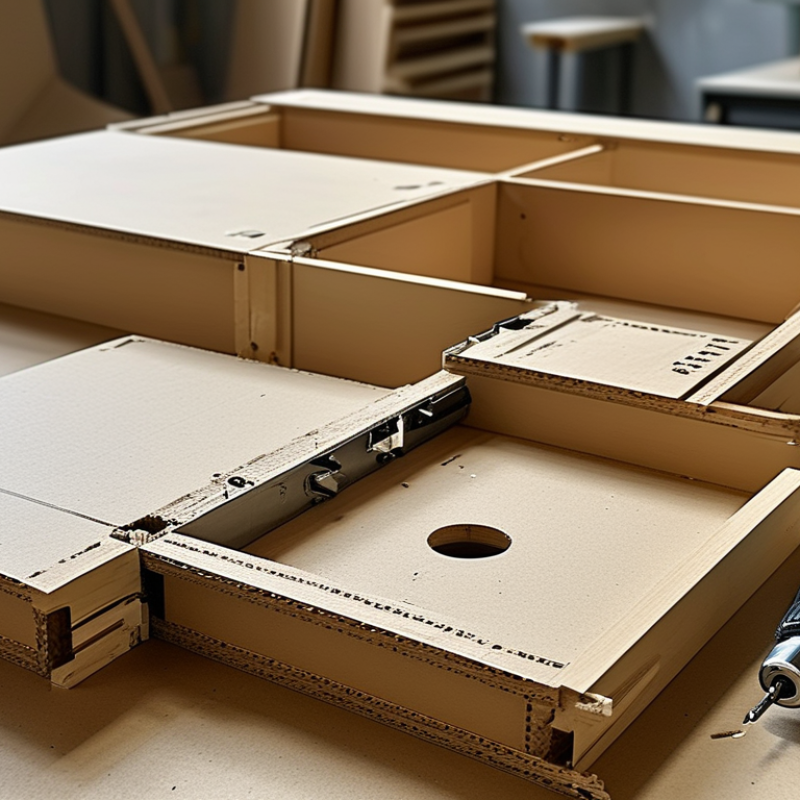
How to Assemble China Best Flat Pack Furniture Correctly?

Identify Parts, Tools, and Assembly Instructions

How to Assemble China Best Flat Pack Furniture Correctly?

Identify every part before opening the hardware bags. Lay panels on a clean blanket, with finished edges facing upward. Match each panel to the numbered assembly diagram. Do not guess. Check holes, grooves, and left-right orientation carefully. A small alignment error can twist the entire cabinet. Grand View Research estimated the global ready-to-assemble furniture market at about US$13.7 billion in 2023, showing why consistent assembly skills matter across international supply chains.

Prepare a Phillips screwdriver, hex key, rubber mallet, tape measure, level, and a cordless drill with low torque. Avoid high speed. Over-tightening can strip particleboard and weaken joints. Separate screws into small containers before construction begins. Follow the instruction sequence, especially for cam locks, drawer runners, and back panels. The U.S. Consumer Product Safety Commission reported 22,400 furniture tip-over injuries involving children from 2018 to 2020. Therefore, secure tall units to a solid wall after assembly.

Work with a second person when lifting large panels. Keep the floor clear. Measure twice. A common mistake is tightening every connector before checking the frame’s square. Leave joints slightly loose, align the cabinet, then tighten them evenly. Inspect doors and drawers after installation. They may look aligned from the front but rub internally. This is where instructions deserve reflection: diagrams can be brief, and real rooms are rarely perfectly level. Use adjustable feet, recheck the spirit level, and record any missing or damaged part before modifying the structure.

How to Assemble China Best Flat Pack Furniture Correctly? - Identify Parts, Tools, and Assembly Instructions

Category Item or Step Typical Specification Purpose Assembly Guidance
Preparation Package inspection Panels, fittings, fasteners, and instructions Confirms that all required components are available Open the carton carefully and compare every item with the parts list before assembly.
Panel identification Side, top, bottom, back, shelf, and door panels Usually labeled with numbers, letters, or stickers Prevents panels from being installed in the wrong position Place panels on a soft, clean surface and keep finished faces protected from scratches.
Hardware identification Cam locks, cam bolts, dowels, screws, hinges, and shelf pins Small fittings supplied with the furniture Joins panels and supports movable components Sort hardware into labeled containers so similar-looking parts are not mixed.
Essential tools Phillips screwdriver, flat-head screwdriver, hex key, and rubber mallet Manual tools commonly required for flat-pack furniture Installs fasteners without damaging panels Use the correct screwdriver size and avoid excessive force, especially with particleboard.
Optional tools Cordless drill with a low-torque setting, tape measure, level, and pencil Useful for larger units and wall positioning Improves efficiency and alignment Set the drill to low torque; over-tightening can strip screw holes or damage the board.
Base assembly Bottom panel, side panels, and feet or plinth First structural section Creates the stable foundation of the unit Insert dowels and fasteners loosely first, then square the frame before final tightening.
Frame assembly Top panel, dividers, shelves, and back panel Main cabinet or furniture frame Provides rigidity and storage structure Install the back panel only after checking that the frame is square and evenly aligned.
Cam-lock installation Cam bolts and cam connectors Quarter-turn connector system Locks adjoining panels together Keep the connector arrow facing the entry hole, then turn gently until secure.
Door and drawer fitting Hinges, runners, handles, and adjustment screws Movable-component hardware Allows smooth opening, closing, and adjustment Attach hardware without fully tightening, align the fronts, and tighten after adjustment.
Alignment check Corners, gaps, shelves, doors, and drawers Visual and dimensional inspection Confirms that the furniture is square and functional Use a level where appropriate and correct uneven gaps before final tightening.
Safety check Wall anchoring and load distribution Anti-tip device recommended for tall or narrow units Reduces the risk of tipping during use Secure the unit to a suitable wall structure according to the supplied safety instructions.
Final inspection Fasteners, surfaces, movement, and stability Complete quality-control review Ensures the finished furniture is safe and ready for use Remove packaging materials, tighten approved fasteners, and verify that all doors and drawers operate smoothly.
Important: Always follow the product-specific instruction manual for fastener locations, maximum load limits, wall-fixing requirements, and component orientation.

Prepare the Workspace and Organize All Components

How to Assemble China Best Flat Pack Furniture Correctly?

Prepare a clean workspace before opening any carton. A two-square-metre area usually gives enough room for panels, tools, and movement. Cover the floor with cardboard or a thick blanket. This prevents scratches and stops small screws from rolling away.

Keep a tray nearby for bolts, dowels, washers, and spare fittings.

Check every component against the instruction list before assembly. Do not trust the picture alone. Labels can be unclear, and one reversed panel may create problems later.

A practical inspection takes five minutes. Measure the available space, especially around doors, skirting boards, and electrical outlets. Use a manual screwdriver for delicate fittings, then tighten gradually. Over-tightening can crush particleboard edges.

The U.S. Consumer Product Safety Commission recorded 217 child fatalities linked to furniture tip-overs between 2014 and 2023. Therefore, keep the unit flat during construction and attach its anti-tip hardware after positioning it. Never skip that step.

Breathe. Work slowly.

The Bureau of Labor Statistics reported that musculoskeletal disorders represented about one-third of private-industry days-away cases in 2023.

Lift large panels with another person, and change posture regularly. I sometimes arrange parts too quickly and discover a missing dowel later. That mistake is avoidable, but it happens.

Pause after each stage, compare the diagram, and check that every joint sits flush. Leave a clear path around the finished unit for final leveling and wall anchoring.

Build the Main Frame Following the Correct Sequence

How to Assemble China Best Flat Pack Furniture Correctly?

Build the Main Frame Following the Correct Sequence

A stable flat-pack cabinet begins with the main frame, not the doors or shelves. Lay every panel on a clean, padded floor. Match the printed part numbers with the assembly diagram. Check the edge banding before tightening anything. The finished edge usually faces outward.

Connect the side panels to the bottom panel first. Insert dowels gently, then secure the cam locks by hand. Keep the back panel loose until the frame is square. Measure both diagonal distances. They should match closely. A small error here can make doors rub later. I have seen this mistake often.

The U.S. Consumer Product Safety Commission reported an estimated average of 22,000 furniture tip-over injuries annually among children and teenagers from 2018 to 2020. That data makes correct frame alignment and wall anchoring practical safety steps, not cosmetic details. After squaring the frame, tighten each connector gradually. Do not force a resistant screw. The panel may be misaligned.

Attach the back panel only after checking the corners. Use a level across the top and both sides. Then install the anti-tip hardware into a solid wall structure, following the supplied instructions. The American National Standards Institute and BIFMA emphasize stability testing for storage furniture, but household assembly still affects real performance. My own process is not perfect. I sometimes recheck the frame twice, because rushing one connector can weaken the entire unit.

Attach Panels, Hardware, Doors, and Functional Fittings

How to Assemble China Best Flat Pack Furniture Correctly?

Begin by sorting every panel, screw, cam lock, and dowel on a clean floor. Check the instruction sheet before opening the hardware bags. Match each panel by its number, hole pattern, and finished edge. Attach side panels to the base with dowels first, then tighten cam locks gently. Excessive force can crush particleboard edges. I learned this after overtightening one corner and weakening the joint.

Keep the back panel square while fixing it. Measure both diagonal distances before securing the rear board. Equal measurements usually indicate a stable frame. Install hinges, drawer slides, and support brackets into their marked holes. For doors, leave the adjustment screws slightly loose at first. Hang each door, check the gaps, and adjust it until the lines look even. A small misalignment can become obvious under bright lighting. Functional fittings should move smoothly without scraping or excessive resistance.

Tips: Use a magnetic screwdriver and a soft mallet. Protect panels with cardboard. Do not mix similar screws. Test each fitting before loading the furniture. I sometimes skip this step when rushing, and that mistake creates extra rework. Tighten everything again after the unit stands upright. Stop if a hole feels stripped, and inspect the panel before continuing.

Inspect, Align, Secure, and Test the Completed Furniture

How to Assemble China Best Flat Pack Furniture Correctly?

A careful assembly begins before the first screw moves. Inspect every panel, cam, dowel, hinge, and fastener against the instruction sheet. Look for cracked edges, crushed corners, or drilled holes filled with debris. A missing washer can weaken the joint later. The Consumer Product Safety Commission has repeatedly estimated over 20,000 furniture tip-over injuries treated in emergency departments annually in the United States. That figure makes inspection more than a cosmetic step. It is a safety control.

Align parts on a level floor, with finished edges facing outward. Do not tighten every screw immediately. Leave slight movement until doors, drawers, and frame corners sit squarely. Check diagonal measurements; similar lengths usually indicate better alignment. Secure the structure gradually, alternating between opposite sides. Anchor tall units according to the supplied instructions and wall conditions. The European Committee for Standardization’s EN 14749 testing framework emphasizes stability and strength for domestic storage furniture. Still, standards cannot correct careless assembly. I have seen a nearly finished cabinet fail because one rear panel was reversed. Small mistakes become expensive later. Test each door, drawer, joint, and adjustable foot. Apply gentle pressure, not body weight.

Tips: Keep a manual screwdriver nearby for final tightening. Power tools can strip soft particleboard. Recheck fasteners after 24 hours, especially if the furniture settles on an uneven floor. Keep unused hardware until testing is complete.

FAQS

: What should I check before assembling flat-pack furniture?

: Identify every panel before opening hardware bags. Lay panels on a clean blanket, finished edges facing upward. Match holes, grooves, and left-right orientation carefully. Do not guess.

Which tools are useful for assembly?

Prepare a cross-head screwdriver, hex key, rubber mallet, tape measure, and level. A low-torque cordless drill can save time. Use slow speed.

What is the correct order for building the main frame?

Start with the side panels and bottom panel. Insert dowels gently, then secure cam locks by hand. Leave the back panel loose until the frame is square. Doors and shelves come later.

How can I check whether the cabinet frame is square?

Measure both diagonal distances across the frame. They should be nearly equal. Use a level across the top and both sides. Small errors can make doors rub.

When should I tighten all connectors?

Keep joints slightly loose during initial alignment. Tighten connectors gradually after checking the frame. Excessive force can strip particleboard and weaken the joint.

When should I attach the back panel?

Attach it after checking the corners and frame alignment. A loose back panel allows small corrections. Fix it only when the cabinet sits square.

How can I improve stability after assembly?

Secure tall furniture to a solid wall structure with suitable anti-tip hardware. Follow the supplied instructions carefully. Keep floors clear while lifting large panels. Use a second person.

What should I do if a part is missing or damaged?

Stop before modifying the structure. Record the part number and photograph the damage. Instructions can be brief, and rooms are rarely perfectly level. My process is not perfect; I recheck the frame twice.

Conclusion

Assembling flat pack furniture correctly begins with carefully identifying every part, fastener, tool, and instruction before starting. Prepare a clean, spacious workspace with good lighting, and organize components by type or assembly stage to prevent confusion. Following the instructions in sequence is essential, especially when building the main frame, because an incorrect orientation or missing connector can affect the entire structure. Taking time to compare each panel and hardware piece with the parts list can reduce mistakes and make the process more efficient.

To understand how to assemble flat pack furniture correctly, attach panels, doors, shelves, handles, hinges, and other functional fittings only after the frame is stable and square. Do not fully tighten every fastener until the major sections are properly aligned. When assembly is complete, inspect all joints, adjust doors and panels, secure loose hardware, and test drawers, hinges, and moving parts. A final stability and safety check ensures the furniture is ready for reliable everyday use.

Mason

Mason

Mason is a seasoned marketing professional with a deep expertise in the company's offerings and a passion for driving brand awareness. With a strong background in digital marketing strategies, he has an innate ability to connect with diverse audiences and effectively communicate product benefits.......