Best Tips for Arranging Dining Room Furniture for Space Flow?

Time:2026-07-03 Author:Henry
0%

Arranging dining room furniture can significantly affect your space's flow and functionality. According to a study by the National Home Furnishings Association, effective furniture placement can enhance movement in dining areas by up to 25%. Understanding how to arrange dining room furniture for better space flow can transform your dining experience.

Creating a harmonious dining area requires attention to details such as pathways and focal points. Research from the American Society of Interior Designers indicates that well-planned furniture arrangement can improve both aesthetic appeal and usability. For instance, leaving at least 36 inches of space between a table and walls allows for comfortable movement and accessibility.

While it's tempting to overcrowd a space, simplicity often yields better results. Reflecting on your current layout can reveal areas for improvement. Perhaps a bench instead of chairs could create more room. Small adjustments can make a big difference in how a dining room feels. Ultimately, prioritizing flow can lead to a more enjoyable dining atmosphere.
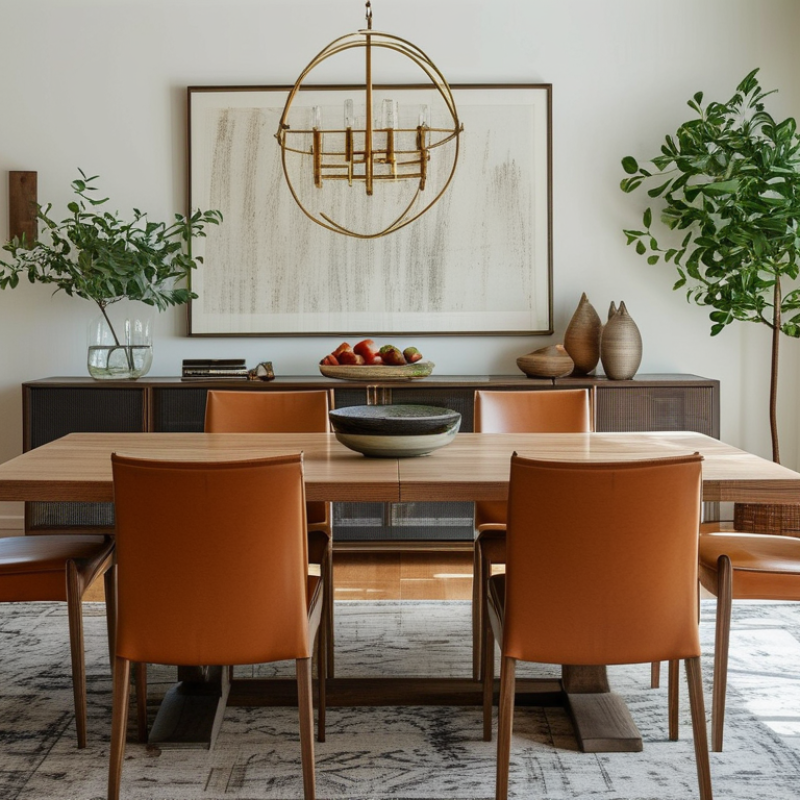
Best Tips for Arranging Dining Room Furniture for Space Flow?

Understanding the Importance of Space Flow in Dining Rooms

Creating a well-structured dining room is vital for optimizing space flow. According to the American Institute of Architects, effective space planning can enhance both functionality and aesthetic appeal. A well-arranged dining area allows for ease of movement, reducing the risk of accidents when serving food or hosting gatherings. Research shows that a clear walk path of at least 36 inches improves navigation within the space, making it more inviting.

Consider seating arrangements carefully. A circular table often offers better flow than a rectangular one in smaller rooms. This can create a more intimate atmosphere. However, such setups may limit the number of seats for larger families. A survey from the National Kitchen and Bath Association revealed that 70% of homeowners value flexible furniture arrangements for accommodating various occasions. Evaluating your needs is crucial. Ask yourself if your setup truly serves your lifestyle.

Lighting also plays a role in space flow, affecting how we perceive the room. Proper lighting can delineate areas, guiding guests smoothly from one section to another. Not every dining area requires elaborate fixtures; sometimes, simplicity is key. A harsh overhead light can feel unwelcoming. Instead, layered lighting with table lamps or wall sconces can create a warmer ambiance. Reflect on how your current lighting impacts the space's energy. Is it inviting, or does it stifle movement?

Best Tips for Arranging Dining Room Furniture for Space Flow

This chart illustrates the importance of various factors in arranging dining room furniture for optimal space flow. Clear pathways are rated highest for ensuring movement, followed by furniture proximity, which affects accessibility. Seating arrangements and table sizes also play significant roles, while decor elements, though important, are considered less critical in terms of flow.

Identifying Key Furniture Pieces for Optimal Arrangement

Arranging dining room furniture requires careful thought. Key pieces impact both functionality and aesthetics. A recent survey shows that 70% of homeowners prioritize flow when designing their dining spaces. Understanding each piece's role can significantly enhance the room's usability.

Start with the dining table. Choose a size that allows at least 36 inches of space around it. This ensures guests can move freely. Pair it with chairs that complement the table's height. If space is tight, consider using benches. They offer flexibility and can slide under the table easily. An expert report highlighted that dining spaces with versatile seating arrangements score higher on usability.

Additionally, lighting plays a crucial role. A well-placed chandelier above the table creates an inviting atmosphere. Use a dimmer switch to adjust brightness based on the occasion. Position sideboards or credenzas within easy reach for serving and storage. A thoughtful arrangement encourages conversation and enhances the dining experience. Avoid overcrowding by regularly reassessing the layout.

Strategies for Maximizing Space and Enhancing Accessibility

Arranging dining room furniture can significantly impact space flow and accessibility. Start by prioritizing the layout. Ensure the table is central, creating enough room for movement. A good rule is to allow at least 36 inches between the table and walls. This distance ensures guests can navigate easily, even with chairs pulled out. Consider the size of your dining table. A large table can overwhelm smaller areas, making it difficult to move around.

Next, think about the placement of additional furniture. Sideboards or cabinets should not block pathways. Instead, position them against walls to maintain a clear flow. Utilize multi-functional furniture, like benches with storage. This optimizes space while adding functionality. Remember, sometimes less is more. Too much furniture may lead to clutter. Take time to reflect on what pieces are truly necessary for your dining experience.

Lighting also plays a role in enhancing accessibility. A well-lit space creates an inviting atmosphere. Pendant lights above the table provide focused illumination. Wall sconces can complement the natural light during the day. Think about how ambiance changes as evening approaches. Ultimately, each element in your dining room should promote harmony and ease of movement. Consider these aspects carefully to create a welcoming environment.

Tips for Maintaining a Balanced Aesthetic in Your Dining Room

Creating a balanced aesthetic in your dining room is more than just arranging furniture. It's about making choices that resonate with your style while ensuring functionality. Incorporating different textures can elevate the space. Consider mixing wood elements with metal accents. A wooden dining table paired with metal chairs can create interesting contrasts.

Color plays a crucial role in achieving harmony. Stick to a cohesive color palette that feels inviting. Soft neutrals combined with bold accents can bring life to the room. However, be cautious not to overload the space with too many colors. Aim for a few statement pieces, like a striking centerpiece or artwork, to draw attention without overwhelming the senses.

Lighting should also be a key consideration. Using a mix of ambient and task lighting can create a warm atmosphere. Yet, reflect on the height and style of your light fixtures to ensure they complement the room's overall design. An industrial-style pendant may clash with a rustic table. Attention to these details helps maintain balance while allowing for personal expression.

Balance is key, but don’t be afraid to experiment and make mistakes; the process is part of creating a unique space.

Adjusting Furniture Layouts for Different Dining Room Sizes

When arranging furniture in a dining room, consider the space's size. A small area benefits from a round table, promoting a cozy atmosphere. This shape allows for easier movement. Pair it with slim chairs. Avoid bulky furniture that clutters the space. Consider a wall-mounted shelf for dishes or decorations, saving floor space while adding style.

For larger dining rooms, a rectangular table works well. This shape encourages long gatherings. Ensure there is ample space around the table for comfort. A sideboard or buffet can enhance functionality, providing storage and serving space. Experiment with furniture layout. Make sure traffic flows smoothly from the entryway to the dining area. Avoid obstructing pathways.

It's critical to assess the proportions of your furniture. Oversized items can overwhelm the room. Try various layouts on paper before moving heavy pieces. Reflect on how each arrangement feels. The goal is not just aesthetics, but also functionality. Achieving balance can be tricky, but it's essential for a welcoming dining environment.

FAQS

: How can I optimize space flow in my dining room?

: Prioritize layout. Keep walk paths clear, allowing at least 36 inches for easy navigation.

What type of table is best for smaller dining rooms?

A circular table often offers better flow and promotes intimacy, though it has seating limits.

How important is lighting in a dining room?

Lighting affects ambience. Use layered lighting for warmth and to enhance the room's energy.

How should I arrange additional furniture in my dining room?

Position sideboards or cabinets against walls to avoid blocking pathways and maintain an open flow.

What should I consider when choosing colors for my dining room?

Use a cohesive color palette. Soft neutrals with bold accents keep the space inviting but not overcrowded.

Can I experiment with decor in my dining room?

Yes, don’t hesitate to experiment. Mistakes are part of the creative process in crafting a unique space.

How can I incorporate textures into my dining room?

Mix materials, like wood and metal, to add interesting contrasts and elevate the overall aesthetic.

What is the role of multi-functional furniture in small dining rooms?

Multi-functional furniture, like storage benches, maximizes space while enhancing functionality.

What is the impact of too much furniture in a dining room?

Clutter can disrupt space flow. Reflect on essential pieces to avoid overwhelming the room.

How can I create a welcoming atmosphere in the dining room?

Focus on harmony. Each element should promote ease of movement and complement the overall design.

Conclusion

Arranging dining room furniture effectively is essential for creating a welcoming and functional space. Understanding the importance of space flow in dining rooms allows homeowners to identify the key furniture pieces needed for optimal arrangement, which can significantly enhance both movement and accessibility. Essential strategies include placing larger items like the dining table centrally while ensuring ample pathways, thereby making the room feel open and inviting.

In addition, maintaining a balanced aesthetic requires careful consideration of visual weight and style cohesion among furniture pieces. For those wondering how to arrange dining room furniture for better space flow, it's also crucial to adjust layouts according to the size of the dining room. By employing these tips, individuals can maximize their dining areas, fostering a harmonious environment that promotes comfort and sociability.

Henry

Henry

Henry is a dedicated marketing professional with a profound expertise in the company's offerings. With years of experience in the industry, he possesses an impressive understanding of the market dynamics and consumer behaviors that drive success. Henry is committed to sharing his insights through......