Best Tips for Choosing Furniture for Small Living Room

Time:2026-07-03 Author:Aria
0%

Choosing furniture for a small living room can be a daunting task. You want it to be functional and stylish, yet space is limited. Understanding how to choose furniture for a small living room requires careful consideration of size, scale, and style. The right choices will enhance your space, providing both comfort and aesthetics.

Start by measuring your room. Knowing the dimensions helps to avoid overcrowding. Opt for pieces that offer dual functionality. For instance, a sofa bed or an ottoman with storage can save space while serving multiple purposes. It's also essential to select lighter colors to create an illusion of space. Reflect on what you truly need versus what looks appealing but may be impractical.

Remember, sometimes less is more. Over-furnishing can make a small room feel cramped. Consider your lifestyle and how you'll use the space. A thoughtfully curated selection of furniture can make a small living room feel welcoming. Trust your instincts, and don't fear experimentation. This process may lead to unexpected discoveries about your preferences and needs.
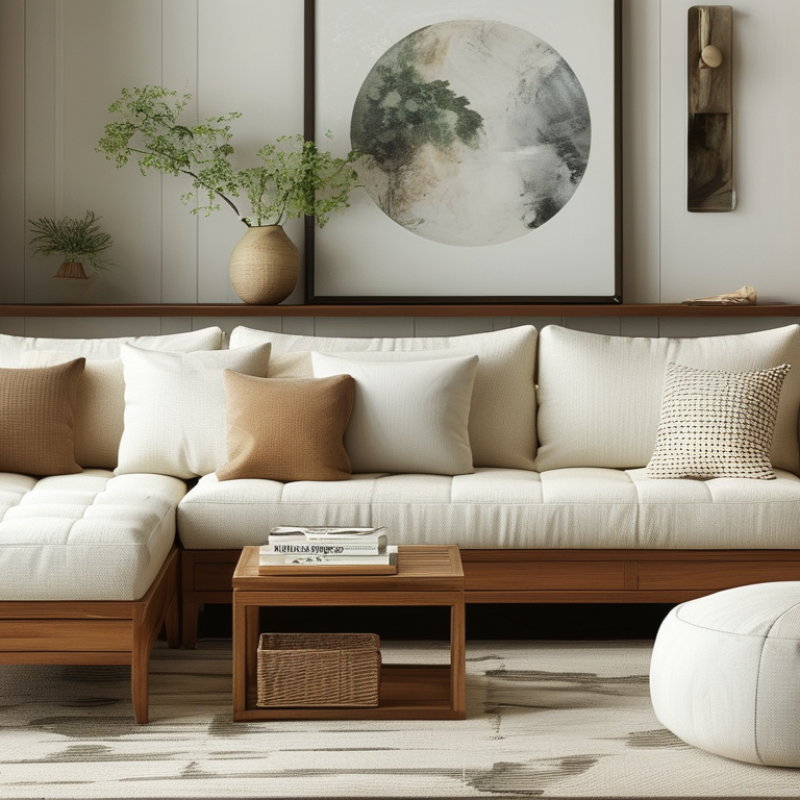
Best Tips for Choosing Furniture for Small Living Room

Importance of Space Planning in Small Living Rooms

Space planning is critical in small living rooms. Efficient use of space can make a significant difference. According to a report from the American Institute of Architects, 72% of homeowners prioritize space efficiency in small areas. This highlights the importance of thoughtful furniture selection and arrangement.

Selecting multi-functional furniture is essential. For instance, a sofa bed or an ottoman with storage can maximize utility in limited space. Research from the National Association of Home Builders shows that compact furniture can create a more open atmosphere. This encourages better movement flow, making the room feel larger.

Visual elements also play a role. Light colors and mirrors can enhance the perception of space. Using furniture that fits the scale of the room is crucial. Oversized pieces can overwhelm a small living area, making it feel cramped. Many homeowners struggle with this balance, often choosing aesthetics over practicality. Prioritizing space planning can lead to improved comfort and functionality in small living rooms.

Selecting Functional Furniture Pieces for Compact Spaces

When selecting furniture for small living rooms, functionality is key. Compact spaces benefit from multi-purpose pieces. A coffee table with hidden storage provides dual functionality. It can serve as a table or seat when needed. Similarly, a sofa bed can effortlessly transform from seating to sleeping space. Such choices maximize utility without overcrowding the room.

Consider scale and proportion as well. Overly large items can overwhelm a small area. Aim for furniture that complements the space. A slender console table can hold decor or essentials without consuming too much room. Adjustable, lightweight chairs can also be moved easily, allowing for flexibility. Reflect on the atmosphere you seek. A well-thought-out arrangement fosters comfort and style.

Incorporate color and texture wisely. Lighter shades can make a space feel airy. Textured fabrics add depth, enhancing visual interest. Always assess how each piece fits your lifestyle. It’s important to prioritize needs over trends. Functionality should not be sacrificed for aesthetic. If a piece doesn’t serve a purpose, it may not belong in a small living room.

Choosing Versatile and Multi-Use Furniture Options

When selecting furniture for a small living room, versatility is key. A recent report by the American Home Furnishings Alliance found that 73% of homeowners value multi-use furniture. These options not only save space but also adapt to various needs. For instance, a sofa bed can serve as seating during the day and transform into a sleeping area at night. This dual purpose maximizes functionality.

Storage is also a critical consideration for small spaces. Multi-functional ottomans or coffee tables with hidden compartments offer practical solutions. According to industry studies, 65% of small home dwellers struggle with clutter. Utilizing clever storage can reduce this issue significantly. A well-placed console table can house items while providing a surface for decor.

However, it’s essential to balance style with functionality. Some may feel that prioritizing utility might compromise aesthetics. Finding furniture that achieves both is challenging yet rewarding. Consider modular pieces that can be rearranged and customized. Reflecting on your space's layout can help you make better choices. This deliberate approach encourages thoughtful decisions that enhance your living experience.

Tips for Color and Material Selection in Small Areas

Choosing the right colors and materials for a small living room can greatly enhance its appeal. Light colors, such as soft whites or pale pastels, can make the space feel larger. Dark hues can be cozy but might also feel constricting. Consider using a single color palette throughout the room to create a cohesive look. This approach helps in visually expanding the space.

When selecting materials, opt for lightweight fabrics. They can keep the room airy. Avoid heavy drapes and choose sheer options instead. Natural materials like wood or rattan can add warmth without overwhelming the small area. Don't shy away from bold patterns, but use them sparingly. A single accent piece, like a cushion, can provide interest without cluttering the room.

Reflections on personal style are important. Think about comfort versus aesthetics. Oversized furniture may look appealing, but it can dominate the space. Balance is key. Sometimes, less is more. Experiment with different arrangements and observe how they affect the flow. Small living rooms can reflect personality while still being functional. Choose wisely and embrace the quirks.

Best Tips for Choosing Furniture in Small Living Rooms

Arranging Furniture to Maximize Flow and Usability

Arranging furniture in a small living room can be challenging but rewarding. Start by defining the main purpose of the space. Do you entertain guests often? Or do you prefer cozy family nights? Knowing this helps guide your decisions. Consider a comfortable sofa that complements your vision.

Next, think about furniture layout to maximize flow. Create clear pathways for movement. Leave at least 18 inches between pieces. This allows easy navigation. Use multifunctional furniture, like ottomans with storage. It saves space and reduces clutter.

Incorporate the right colors and textures to enhance the atmosphere. Light colors can make a room feel larger and more inviting. However, don’t shy away from bold accents. They can add personality and charm. Reflecting on your choices can improve your design. Remember, achieving balance may take time and experimentation. Embrace the process, and enjoy creating a unique space.

Best Tips for Choosing Furniture for Small Living Room - Arranging Furniture to Maximize Flow and Usability

Tip Description Benefits
Choose Multi-functional Furniture Opt for pieces that serve multiple purposes, like a sofa bed or an ottoman with storage. Maximizes space and adds functionality.
Use Smaller Scale Furniture Avoid oversized furniture that can crowd the space. Look for sleek designs. Creates an illusion of more space and enhances flow.
Arrange for Flow Position furniture to allow easy movement and accessibility between pieces. Improves usability and comfort in the living area.
Incorporate Vertical Storage Utilize wall shelves or tall bookcases to free up floor space. Maximizes storage while maintaining an open feel.
Choose Light Colors Select furniture colors that reflect light, making the space feel larger. Enhances brightness and openness of the room.

FAQS

: Why is space planning important in small living rooms?

: Space planning is crucial because it maximizes usability and creates a more open atmosphere.

What type of furniture is best for small living rooms?

Multi-functional furniture, like sofa beds or storage ottomans, is ideal for optimizing space.

How can colors affect a small space?

Light colors can make a room feel larger, while dark colors may create a cozy yet constricted feel.

What materials should I choose for a small living room?

Opt for lightweight fabrics and natural materials like wood to keep the space airy and warm.

How can I reduce clutter in a small living room?

Utilizing clever storage solutions, like multi-functional coffee tables, can significantly reduce clutter.

Is it important to consider furniture scale?

Yes, oversized furniture can overwhelm a small room. It's important to choose pieces that fit well.

Can style and functionality coexist in small spaces?

Finding furniture that balances style and utility is challenging but essential for comfort and practicality.

How can I create a cohesive look in my small living room?

Using a single color palette throughout the room can help achieve a visually expanded and cohesive appearance.

Should I prioritize comfort or aesthetics in my furniture choices?

Reflecting on comfort versus aesthetics is vital. Sometimes, less is more in small living spaces.

How can I experiment with my small living room layout?

Try different arrangements and observe how they impact movement and flow to enhance your living experience.

Conclusion

When considering how to choose furniture for a small living room, the process begins with effective space planning. Understanding the layout is crucial to maximize every square foot and ensure the area feels open and inviting. Selecting functional furniture pieces that serve multiple purposes is essential in compact spaces; for instance, a coffee table with storage can keep items organized while maintaining a stylish appearance.

Additionally, incorporating versatile and multi-use furniture options, such as a sofa bed or nesting tables, can enhance utility without overwhelming the space. Color and material selection also play a significant role in making a small room appear larger and more cohesive. Light hues and reflective materials can help create an illusion of spaciousness. Finally, arranging furniture in a way that optimizes flow and usability will significantly improve the overall functionality of the small living room, creating a welcoming and practical environment.

Aria

Aria

Aria is a dedicated marketing professional with a deep passion for innovative strategies and a keen understanding of our company's product offerings. With a wealth of experience in the industry, Aria excels at crafting engaging content that highlights the unique features and benefits of our......