10 Tips to Prevent Wood Furniture Cracking in Dry Seasons?

Time:2026-07-19 Author:Madeline
0%

Wood furniture often faces challenges during dry seasons. As the humidity drops, wood loses moisture, causing it to shrink and crack. According to John Smith, a furniture restoration expert, "Wood’s natural charm can turn into a nightmare when the air is too dry." This statement highlights a significant issue for homeowners and enthusiasts alike.

Understanding why wood furniture cracks in dry seasons is essential. When the air is dry, moisture evaporates from the wood. This process leads to visible cracks and gaps. Not only does it affect the appearance, but it can also compromise structural integrity. Many people overlook the importance of proper care during these conditions.

Implementing effective prevention strategies can help maintain the beauty and longevity of wood furniture. Simple steps, like using humidifiers and regular polishing, can make a difference. Yet, many forget to take action until it’s too late. Recognizing the signs early can save your beloved pieces from irreparable damage. Maintaining a stable environment is key to preserving wood furniture for generations.
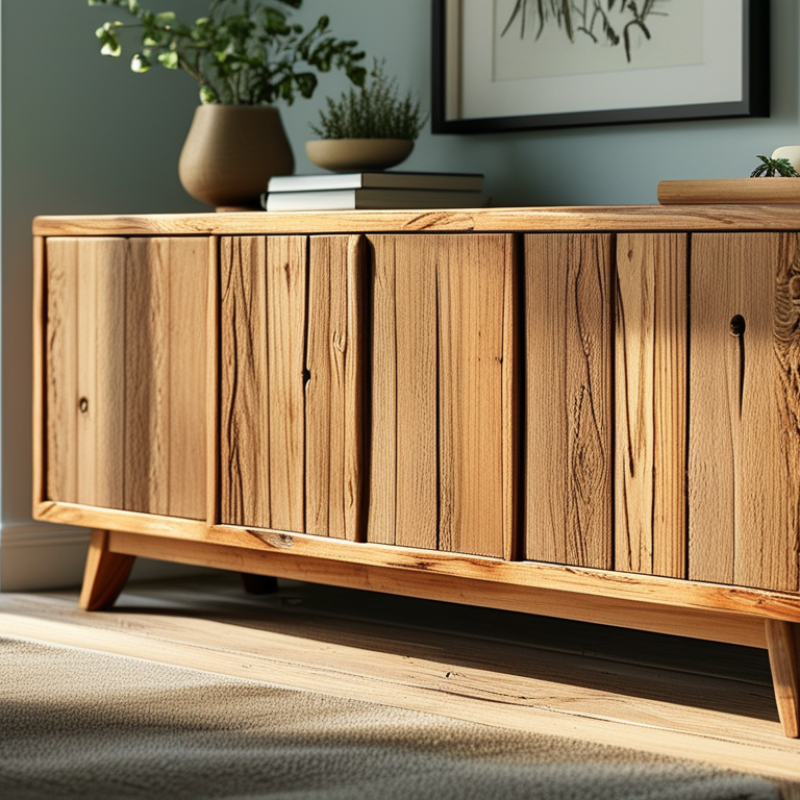
10 Tips to Prevent Wood Furniture Cracking in Dry Seasons?

Understanding the Causes of Wood Furniture Cracking in Dry Conditions

Wood furniture is prone to cracking, particularly in dry conditions. Several factors contribute to this issue.
Humidity levels that drop below 30% can lead to significant moisture loss. According to the American Institute of Timber Construction, wood can shrink up to 1% for every 10% drop in relative humidity. This shrinkage causes cracks as the wood fibers pull apart.

Additionally, rapid temperature changes can exacerbate the problem. When heated air circulates in a room, it further dries out the wood. Studies have shown that maintaining stable indoor temperatures helps preserve wood integrity. The National Wood Flooring Association suggests using humidifiers during dry seasons to maintain levels around 40-50%.

Proper maintenance is also critical. Regularly applying quality wood conditioners can help retain moisture. However, some users may overlook this step. Each piece of furniture is unique, and neglect can lead to unpredictable results. Understanding these dynamics is essential for preserving wood furniture during challenging weather.

Choosing the Right Location for Your Wooden Furniture

Choosing the right location for your wooden furniture is essential in preventing cracks during dry seasons. Wood is a natural material that responds to its environment. Placing furniture too close to heating sources can lead to excessive dryness. This can create an imbalance in humidity levels, resulting in cracks and splits.

Consider using a humidifier in dry months. It can add moisture to the air around your furniture. If space allows, position your wooden pieces away from windows and doors. Direct sunlight can also cause damage, making wood dry and brittle. A shaded spot protects your furniture from harsh conditions.

Evaluate the air circulation in your home. Poor airflow can trap dry air around your wooden items. This can lead to uneven moisture levels. Closets that are too tight can hold in heat and create problems, too. Keep an open line of sight for your furnishings. The right placement can make all the difference in preserving their beauty and integrity over time.

Wood Furniture Cracking Prevention Tips by Location

Maintaining Optimal Humidity Levels in Your Home

Maintaining optimal humidity levels in your home is crucial for preserving wood furniture. Wood is a natural material that can shrink or crack when exposed to dry air. During dry seasons, humidity levels often drop, causing potential damage to your cherished pieces. To combat this, aim for a humidity range of 30% to 50%. This range is ideal for both indoor comfort and wood protection.

Humidity can easily fluctuate with changing weather. Using a hygrometer helps track moisture levels. If the air is too dry, consider a humidifier. Place it in rooms with wooden furniture to maintain consistent humidity. You might also want to place water bowls near heating sources. This method adds moisture to the air naturally.

Be mindful not to overdo it. Excess moisture can lead to mold growth or warping. Regularly check your furniture for signs of distress. This includes cracks in surfaces or separation at joints. Treating wood with conditioner can also provide an extra layer of protection. It nourishes the wood and helps maintain flexibility. Adjusting to these practices will require time, but the benefits are significant for preserving your furniture's beauty and longevity.

Applying Protective Finishes to Wood Surfaces

Applying a protective finish to wood surfaces is essential in preventing cracks during dry seasons. Wood furniture, unlike synthetic materials, can absorb moisture and lose it quickly, leading to shrinkage and eventual damage. There are several effective finishes to consider, each offering a different level of protection and aesthetic appeal.

Oil-based finishes penetrate deeply into the wood, providing excellent moisture resistance. They enhance the natural grain, but may require regular maintenance to keep the wood nourished. In contrast, water-based finishes dry quickly and are easy to apply. They form a hard shell on the surface, deterring moisture loss while allowing the wood to breathe. However, they might not provide as deep a protection as their oil-based counterparts.

Regardless of the finish chosen, ensuring proper application is key. Dust and dirt can hinder the adhesion of the finish. Applying too thick a coat can lead to uneven surfaces. It's crucial to read instructions carefully and allow adequate drying time between coats. Regularly inspect your furniture for signs of wear. Maintenance is an ongoing process. Each season presents unique challenges for wood. Being proactive protects your investment and helps maintain its beauty for years.

10 Tips to Prevent Wood Furniture Cracking in Dry Seasons - Applying Protective Finishes to Wood Surfaces

Tip Number Tip Description Recommended Products Application Frequency
1 Apply a High-Quality Wood Conditioner Wood Conditioner Once a year
2 Use a Moisture Meter to Monitor Humidity Moisture Meter Monthly
3 Apply Protective Oils Regularly Linseed Oil, Tung Oil Every 6 months
4 Use a Humidifier in Dry Months Humidifier As needed
5 Store Furniture Away From Direct Heat Sources N/A Always
6 Wind Down Tightening Hardware Screwdriver Set Every 3 months
7 Avoid Sudden Temperature Changes N/A Always
8 Regularly Clean with a Soft Cloth Microfiber Cloth Weekly
9 Apply Wax for Extra Protection Furniture Wax Every 6 months
10 Consider Professional Treatment if Needed Professional Restoration Services As needed

Regular Cleaning and Care Practices for Wooden Furniture

Wooden furniture is an investment that requires proper care, especially during dry seasons. Regular cleaning is vital. Dust accumulation can lead to scratches and dullness. Use a soft, damp cloth to clean surfaces. Avoid excessive moisture, as it can warp the wood. According to a report from the American Furniture Manufacturers Association, maintaining moderate humidity levels between 30-50% can significantly extend the life of wood furniture.

Incorporating oils into your care routine can help. Products with natural oils promote hydration and protect the finish. A study by the Furniture Society found that treatments every six months can reduce the chances of cracking by 40%. However, be careful with the application; too much oil can create a sticky residue. Test any product on a small area first. Acknowledge that perfect care can be subjective. What works for one piece might not suit another, so pay attention to your furniture’s unique needs.

FAQS

: Why is the location important for wooden furniture?

: The right location prevents cracks during dry seasons. Wood reacts to its environment.

How can heating sources affect wooden furniture?

Placing furniture near heat can cause excessive dryness. This leads to cracks and splits in the wood.

What can help maintain humidity around furniture?

Using a humidifier during dry months is effective. It adds moisture to the air, protecting the wood.

Where should I position my wooden furniture?

Position pieces away from windows and doors. Direct sunlight can dry and damage the wood.

Why is air circulation important for wooden items?

Poor airflow can trap dry air, causing uneven moisture levels. This can harm your furniture over time.

What humidity levels should I maintain at home?

Aim for 30% to 50% humidity levels. This range is ideal for comfort and protecting wood furniture.

How can I monitor indoor humidity?

A hygrometer is useful for tracking moisture levels. It helps you adjust conditions effectively.

What should I check for signs of distress in furniture?

Look for cracks or joint separations. These signs indicate that your furniture may be suffering from dryness.

How can I prevent mold growth on wood furniture?

Avoid excess moisture. Overdoing humidity can lead to mold issues, which are hard to manage.

What extra measures can I take to protect wood furniture?

Regularly treat wood with conditioner. This nourishes and maintains its flexibility over time.

Conclusion

Wood furniture is susceptible to cracking during dry seasons, and understanding the causes can help mitigate damage. Primarily, why does wood furniture crack in dry season? It occurs due to the loss of moisture in the wood, which leads to shrinkage and eventual cracking. To combat this issue, choosing an appropriate location for your furniture is crucial; avoiding areas with direct sunlight or heat sources can help preserve moisture levels.

Additionally, maintaining optimal humidity levels in your home through humidifiers or regular ventilation can significantly reduce the risk of cracking. Applying protective finishes to wood surfaces acts as a barrier against moisture loss, while regular cleaning and care practices, such as using soft cloths and appropriate wood cleaners, can enhance the longevity of your furniture. By following these tips, you can effectively prevent wood furniture from cracking during dry conditions.

Madeline

Madeline

Madeline is a dedicated marketing professional with a wealth of expertise in our company's core offerings. With a keen understanding of the industry, she brings a unique perspective to her role, consistently delivering high-quality content that highlights the superior aspects of our products. As......