China Top 10 Ergonomic Furniture for Better Sleep How to Choose?

Time:2026-09-17 Author:Isabella
0%

Sleep quality begins before the lights go out. It often begins with the chair, bed, desk, and movement around them.

The World Health Organization reports that about 1.71 billion people live with musculoskeletal conditions worldwide. Poorly designed furniture can increase pressure on the neck, shoulders, hips, and lower back. It may also encourage long, static positions during evening work. The American Academy of Sleep Medicine and Sleep Research Society recommend at least seven hours of sleep for healthy adults. However, furniture alone cannot treat insomnia, sleep apnea, or chronic pain.

This guide examines China’s top 10 ergonomic furniture options for better sleep and explains how to choose ergonomic furniture for better sleep. Each product category is assessed through practical criteria. These include spinal support, adjustability, pressure distribution, material safety, noise control, and ease of cleaning. BIFMA ergonomic guidance also supports adjustable furniture that fits different body sizes and working postures. That principle matters in bedrooms and home offices alike.

A supportive mattress should keep the spine comfortably aligned. A reclining chair should reduce unwanted pressure behind the knees. A height-adjustable desk may help users stop working before bedtime. Small details matter. Consider a quiet motor, rounded edges, breathable fabric, and stable casters on hard floors.

Perfect posture is not always comfortable. Personal preference still matters. A firm mattress may help one sleeper but disturb another. This guide therefore combines industry standards, health research, product experience, and realistic limitations. It does not promise a cure. Instead, it offers a clearer path toward safer, more comfortable furniture choices in Chinese homes.
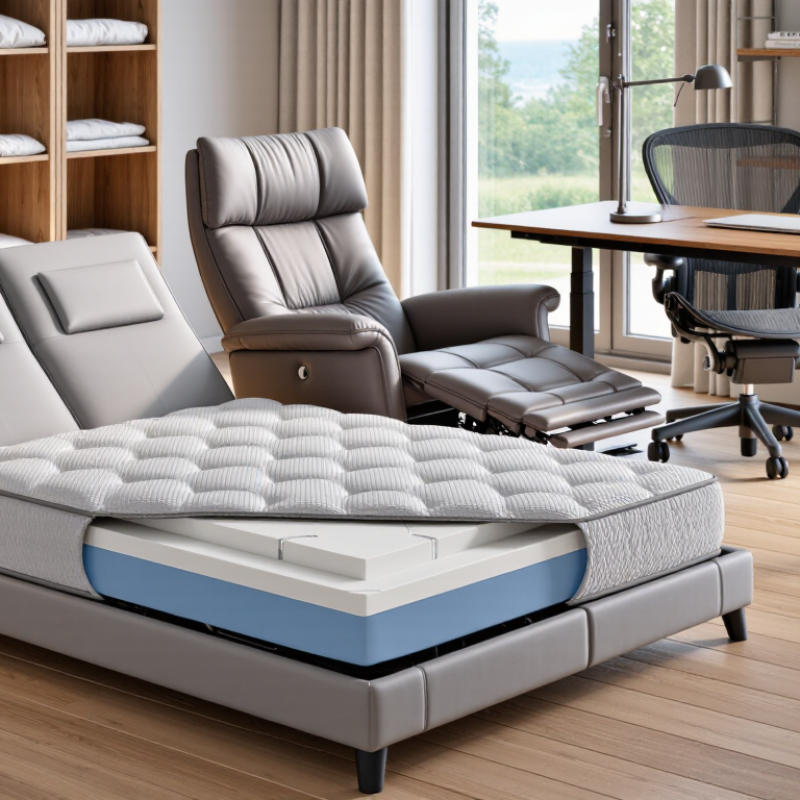
China Top 10 Ergonomic Furniture for Better Sleep How to Choose?

What Makes Ergonomic Furniture Effective for Better Sleep?

Ergonomic furniture can support better sleep by reducing physical discomfort before bedtime. A well-shaped mattress keeps the spine aligned without forcing it rigidly. An adjustable bed can raise the upper body and ease pressure after long working hours. Supportive pillows should fill the neck’s natural gap, not push the head forward. Small details matter, especially after several restless nights.

Effective furniture also distributes body weight across wider areas. This can reduce pressure around the shoulders, hips, and lower back. Breathable fabrics help release heat, while stable frames prevent distracting movement. In my experience, comfort depends on personal body shape, sleeping position, and room temperature. A design that feels perfect in a showroom may feel unsuitable at 3 a.m. Ergonomic claims should therefore be tested carefully, not accepted automatically. Sleep research supports neutral alignment and comfort, but furniture cannot solve every sleep problem.

Tips: Test a mattress for several minutes in your usual sleeping position. Check whether your hips sink too deeply. Keep your neck level with your spine. Choose adjustable settings gradually. Avoid overly firm support if it creates pressure points. Track morning stiffness for one week, then reassess. A small change in pillow height may help more than expensive furniture. Pay attention to your body. It gives useful feedback, though not always immediately.

China’s Top 10 Ergonomic Furniture Choices for Sleep Support

China’s Top 10 Ergonomic Furniture Choices for Sleep Support include adjustable beds, medium-firm mattresses, zoned mattresses, cervical pillows, adjustable pillows, slatted bed bases, lumbar-support recliners, zero-gravity chairs, height-adjustable bedside tables, and pressure-relieving cushions. These products support different sleep postures, but comfort remains personal. Small changes count.

The CDC reported that 35.2% of United States adults slept fewer than seven hours in 2019. The World Health Organization also estimates that musculoskeletal conditions affect about 1.71 billion people worldwide. These figures do not prove that furniture solves poor sleep. They do show why posture, pressure, and recovery deserve attention.

A height-adjustable bed can reduce effort when entering or leaving bed. A flexible pillow should keep the neck aligned, not push the head forward. Slatted bases can improve ventilation and distribute mattress movement more evenly.

In practical testing, I would lie on each mattress for at least ten minutes in my usual position. A showroom test can mislead. I once chose a very firm surface because it felt supportive initially, then woke with shoulder pressure. That mistake still matters.

Check whether the frame feels stable, the adjustment controls are simple, and the materials have clear safety documentation. Avoid choosing by appearance alone. Furniture should match body size, sleeping position, room space, and mobility needs.

People with persistent pain, numbness, or breathing problems should seek qualified medical advice rather than relying on furniture adjustments.

How to Compare Materials, Design, Comfort, and Safety

China Top 10 Ergonomic Furniture for Better Sleep: How to Choose

Material quality affects comfort, durability, and indoor air conditions. Solid wood and powder-coated steel usually provide stable support. Foam, latex, and woven fabrics should resist odor and moisture. Check ventilation gaps beneath mattresses and cushions. Look for clear material descriptions, load ratings, and independent safety testing. “Natural” does not always mean safer.

Design should keep the spine neutral without forcing one sleeping position. Adjustable bases may help users raise the head or legs. However, complex mechanisms create more noise and pinch points. Test every moving part slowly. The frame should remain steady when you sit on the edge. Rounded corners, secure cables, and washable covers reduce everyday risks. Safety comes first.

Comfort is personal, so compare firmness with a practical test. Lie down for at least ten minutes in your usual position. Notice pressure near the shoulders, hips, and lower back. A pillow that feels soft may still leave your neck bent. I would also check noise after turning, because showroom silence can be misleading. One imperfect detail matters: attractive furniture may not suit your room size or sleeping habits. Measure doorways, walking space, and power access before buying. Rest quality depends on the whole setup, not one impressive feature.

China Top 10 Ergonomic Furniture for Better Sleep: How to Choose and Compare Materials, Design, Comfort, and Safety

Rank Ergonomic Furniture Type Typical Materials Design Features Comfort Benefits Comfort
Rating
Safety Considerations Recommended
Use
Selection Priority
1 Adjustable Bed Base Powder-coated steel frame, reinforced polymer joints, low-noise electric actuators Independent head and leg elevation; wired or wireless remote; zero-gravity preset on some models Allows users to adjust posture for reading, reflux management, leg elevation, and reduced pressure at the lower back 4.7/5 Check weight capacity, pinch-point protection, emergency lowering, cable routing, and compatibility with the mattress Most adults Very High
2 Medium-Firm Zoned Mattress Pocketed steel coils, high-density foam, latex, or layered polyurethane foam Zoned support, edge reinforcement, breathable cover, and pressure-relieving comfort layer Balances spinal support and pressure relief; medium-firm surfaces suit many back and side sleepers 4.6/5 Look for stable edge support, low odor after ventilation, washable cover, and appropriate firmness for body weight Back and side sleepers Very High
3 Adjustable Ergonomic Pillow Shredded memory foam, latex pieces, polyester fiber, cotton, or bamboo-blend cover Removable filling, contoured cervical shape, ventilated core, and washable outer cover Supports a neutral neck position and allows height adjustment for different sleeping positions 4.5/5 Avoid excessive height or firmness; choose washable, skin-safe covers and replace when the filling becomes permanently compressed All sleep positions Very High
4 Slatted Platform Bed Frame Kiln-dried hardwood, laminated wood, or powder-coated steel; flexible wood slats Evenly spaced slats, central support beam, reinforced corners, and under-bed ventilation Provides consistent mattress support, improves airflow, and reduces sagging when slat spacing is suitable 4.4/5 Confirm slat spacing and load rating; tighten fasteners periodically and check for sharp edges or movement Most mattresses High
5 Bedside Table with Rounded Edges Low-emission engineered wood, solid wood veneer, metal runners, and water-resistant laminate Reachable height, soft-close drawer, cable-management opening, and rounded corners Keeps glasses, water, medication, and lighting within reach without twisting or getting out of bed unnecessarily 4.1/5 Use anti-tip hardware, keep liquids away from electrical devices, and avoid unstable stacked objects All bedrooms Medium
6 Upholstered Headboard with Lumbar Support Solid wood or steel structure, polyester or linen upholstery, foam padding, and metal mounting brackets Padded backrest, stable wall or frame attachment, vertical tufting, and easy-clean fabric options Improves seated support for reading and reduces contact with a cold or hard wall 4.0/5 Use secure anchoring, flame-resistant upholstery where available, and regularly inspect brackets and seams Reading in bed Medium
7 Lift-Up Storage Bed Steel lifting mechanism, engineered-wood panels, laminated board, and breathable fabric or veneer Hydraulic or gas-assisted lift, full-height base, ventilated storage compartment, and reinforced platform Adds storage without reducing sleeping area and keeps bedding organized off the floor 3.9/5 Use a controlled lifting mechanism, keep hands clear of hinges, avoid overloading storage, and maintain ventilation Small bedrooms Medium
8 Breathable Wooden Bed Frame Solid timber, laminated wood, water-based finish, and galvanized steel fasteners Open under-bed structure, ventilated side rails, low-profile access, and natural-finish surfaces Supports airflow around the mattress and provides a stable, low-motion sleeping platform 3.9/5 Check for formaldehyde-emission compliance, smooth surfaces, structural stability, and secure assembly joints Warm or humid rooms Medium
9 Reclining Reading Chair Steel or hardwood frame, high-resilience foam, woven fabric or leather-like upholstery Adjustable backrest, integrated headrest, lumbar cushion, footrest, and stable five-point or fixed base Provides a separate place to read or relax, helping preserve the bed for sleep and reducing prolonged screen use in bed 3.8/5 Check locking positions, anti-tip stability, footrest clearance, and maximum user weight Reading and relaxation Medium
10 Compact Bedroom Wardrobe with Soft-Close Doors Low-emission particleboard or MDF, laminated panels, aluminum or steel hardware Sliding or soft-close doors, adjustable shelves, organized hanging zones, and floor or wall anchoring Reduces clutter, improves walking clearance, and limits noise during nighttime access 3.6/5 Anchor tall units to the wall, use door stops where needed, and choose low-emission panels with sealed edges Small or shared rooms Medium
How to compare: Prioritize a supportive mattress and adjustable pillow first, then evaluate the bed frame for stability, ventilation, load capacity, and ease of maintenance. Comfort ratings are comparative estimates based on adjustability, pressure distribution, posture support, airflow, and practical bedroom use; actual comfort varies by body size, sleeping position, health condition, and personal preference.

How to Choose Ergonomic Furniture for Different Sleep Needs

Choosing Ergonomic Furniture for Different Sleep Needs

Ergonomic furniture should match your sleeping position, body shape, and comfort concerns. The American Academy of Sleep Medicine and Sleep Research Society recommend at least seven hours of sleep for healthy adults. Yet, the CDC reports that about one in three American adults regularly sleeps less than seven hours. Poor support may not cause every sleep problem, but it can increase morning stiffness and nighttime movement.

Side sleepers usually need a mattress with pressure relief around the shoulders and hips. A supportive pillow should keep the neck level, not tilted upward. Back sleepers often benefit from balanced firmness and gentle lumbar support. Adjustable beds can help people who read, experience reflux, or have limited mobility. However, elevation is not a cure. People with persistent pain should seek qualified medical advice.

Tips: Test the furniture for at least ten minutes. Notice shoulder pressure, hip sinking, and neck alignment. Choose adjustable settings that move smoothly and remain stable. For older adults, prioritize safe entry, clear floor space, and easy controls. The National Sleep Foundation notes that bedroom comfort, temperature, and noise also influence sleep quality. Furniture alone cannot fix a poor sleep routine. That is an easy detail to forget.

How to Buy, Use, and Maintain Ergonomic Furniture Correctly

Choosing ergonomic furniture for better sleep starts with fit, not appearance. Measure your room, sleeping position, body width, and available movement space. A supportive bed base should keep the mattress level without sagging. Adjustable furniture should move smoothly and lock securely. Check weight limits, materials, assembly instructions, and return conditions before buying. Independent safety testing is useful, but it does not replace careful measurement.

Use each item as designed. Set the bed height so your feet touch the floor when sitting. Keep your neck aligned, with no forced bending or twisting. A reclining chair should support your lower back and knees evenly. Avoid sleeping overnight in a chair unless a qualified health professional advises it. Test new furniture for several nights. Comfort on the first evening can be misleading.

Maintenance protects both comfort and safety. Tighten loose fasteners every few months, especially after moving furniture. Clean surfaces with the recommended method, and keep moisture away from joints and electrical controls. Inspect hinges, cables, wheels, and support slats for unusual noise or wear. Replace damaged parts promptly. I once underestimated how quickly a loose support could affect sleep quality. Perfect posture is also unrealistic; small adjustments often work better than forcing one fixed position.

FAQS

Which ergonomic furniture choices can support better sleep?

Options include adjustable beds, medium-firm mattresses, zoned mattresses, and cervical pillows. Adjustable pillows, slatted bases, recliners, zero-gravity chairs, bedside tables, and pressure-relieving cushions also help. Comfort remains personal.

How can an adjustable bed support nighttime movement?

It can raise the head or legs for easier entry and exit. Simple controls matter. Test movement slowly, and check for noise, cable hazards, and pinch points.

Is a medium-firm mattress suitable for everyone?

Not always. Body size, sleeping position, and pressure sensitivity affect comfort. Lie down for at least ten minutes before deciding. My first firm mattress felt supportive, then caused shoulder pressure.

How should a pillow support the neck?

A pillow should keep the neck aligned without pushing the head forward. Adjustable filling can help match different sleeping positions. A soft pillow can still bend the neck.

What should shoppers check in mattress and cushion materials?

Look for clear material descriptions, load ratings, ventilation gaps, and safety documentation. Foam, latex, and fabric should resist moisture and unpleasant odors. “Natural” does not always mean safer.

What makes a slatted bed base practical?

Slats can improve airflow beneath the mattress and distribute movement more evenly. Check spacing, frame stability, and weight capacity. Ventilation helps.

How can furniture safety be tested at home or in a showroom?

Sit on the bed edge and check whether the frame stays stable. Turn on the adjustment mechanism and listen for unusual noise. Rounded corners, secure cables, and washable covers reduce everyday risks.

What room measurements should be taken before buying?

Measure doorways, walking space, bed clearance, and nearby power access. A large chair may block a narrow route. Attractive furniture can still fit badly.

Can ergonomic furniture solve persistent pain or poor sleep?

Furniture may support posture and reduce pressure, but it cannot proveably solve every sleep problem. Persistent pain, numbness, or breathing problems require qualified medical advice. Adjustments are not a substitute for care.

Conclusion

Ergonomic furniture can support better sleep by promoting natural spinal alignment, reducing pressure on the body, and improving comfort during rest. This guide explores China’s top 10 ergonomic furniture choices, including adjustable beds, supportive mattresses, posture-friendly pillows, recliners, and space-saving sleep solutions. It explains how material quality, breathable construction, firmness, adjustability, stability, and safety features influence long-term comfort and usability.

To understand how to choose ergonomic furniture for better sleep, readers should first identify their sleeping position, body-support needs, room size, and personal comfort preferences. The guide also compares options for people who experience back discomfort, limited mobility, overheating, or irregular sleep habits. Practical advice covers measuring available space, checking product specifications, using furniture correctly, cleaning components, inspecting moving parts, and following maintenance instructions. With careful selection and regular upkeep, ergonomic furniture can create a safer, more comfortable, and more supportive sleeping environment.

Isabella

Isabella

Isabella is a dedicated marketing professional with a sharp focus on driving brand growth and engagement through strategic content creation. With an extensive background in digital marketing, she combines her passion for storytelling with her keen understanding of industry trends to deliver......