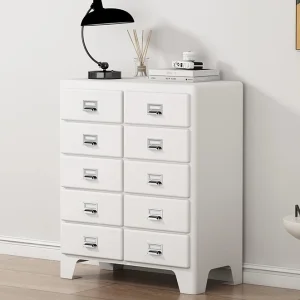
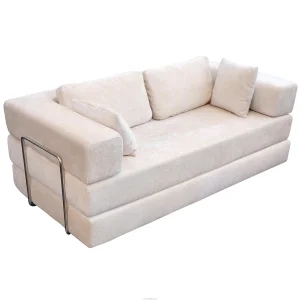
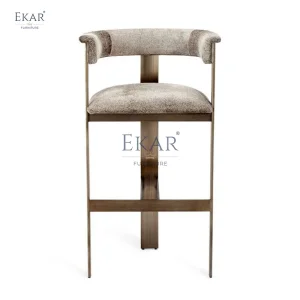
Select commercial-grade designs optimized for indoor, transition, and outdoor applications.
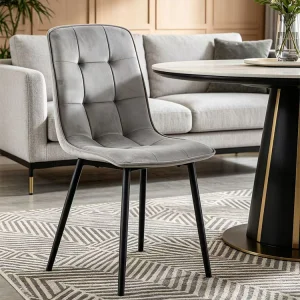
Understanding the macroeconomic forces, regional demands, and material technology innovations driving the outdoor furniture segment.
Traditional wood and iron have given way to architectural-grade powder-coated aluminum, technical rope weaves, engineered quick-dry urethanes, and high-UV performance fabrics (acrylics and olefin). Material durability under severe weather conditions is now the primary metric of product life-cycle assessment.
Global institutional buyers must align with strictly enforced fire safety regulations (like CAL 117 or BS 5852) and sustainability certifications. The transition to FSC-certified sustainable hardwoods and non-toxic, recyclable synthetic fibers is now a standard requirement in contract tenders.
B2B importers, hospitality project procurers, and high-volume retail distributors are prioritizing suppliers who demonstrate supply chain stability, high automated-production capacity, strict compliance testing, and seamless port-logistics integrations.
Why the Guangdong furniture industrial cluster—centered in Foshan City—remains the global benchmark for furniture supply chains.
Immediate access to premium architectural aluminum alloys, sustainably sourced timber, high-density polymer wicker, and high-performance weather-resistant fabrics. This drastically minimizes raw material transport times and cost overheads.
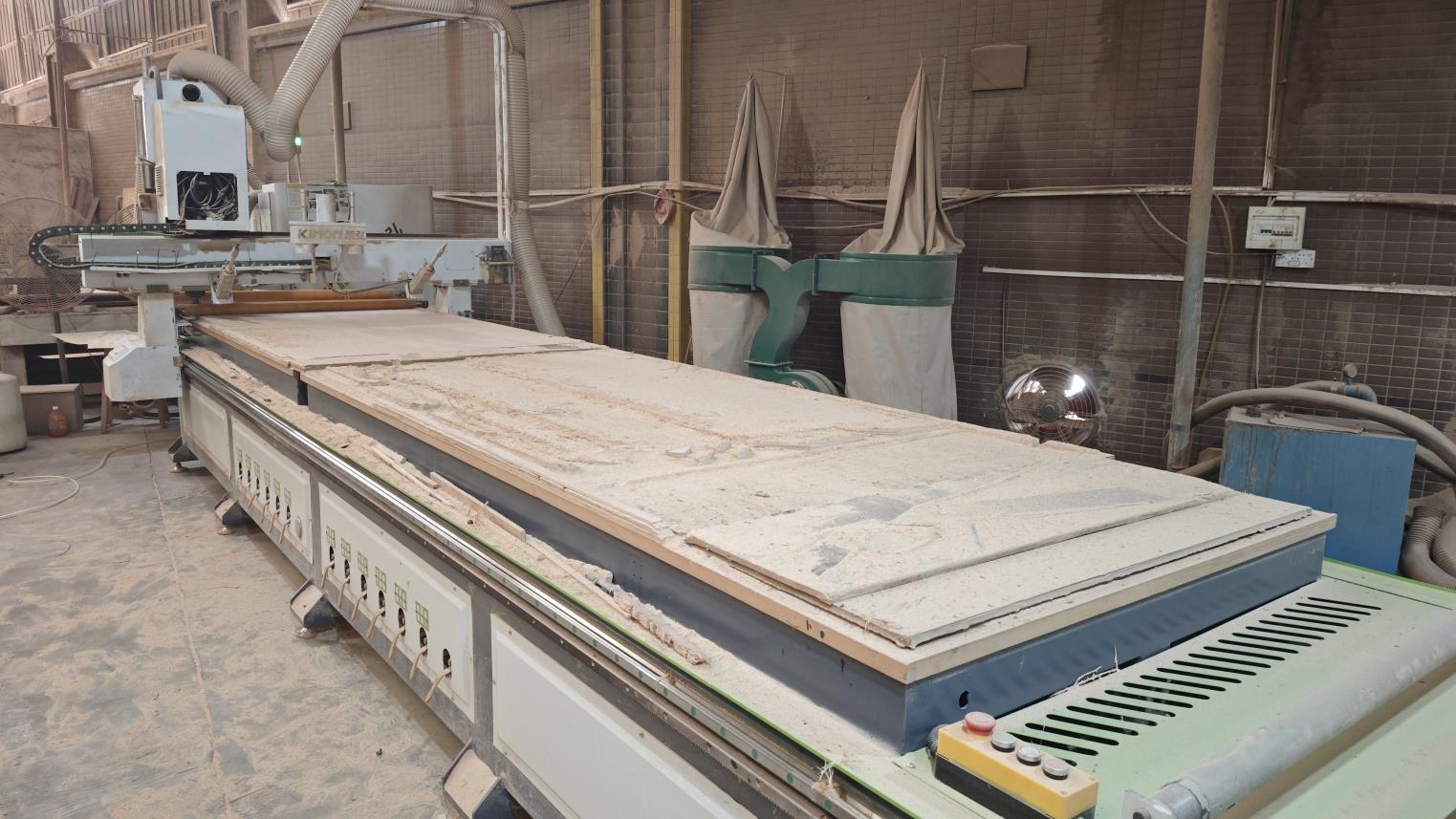
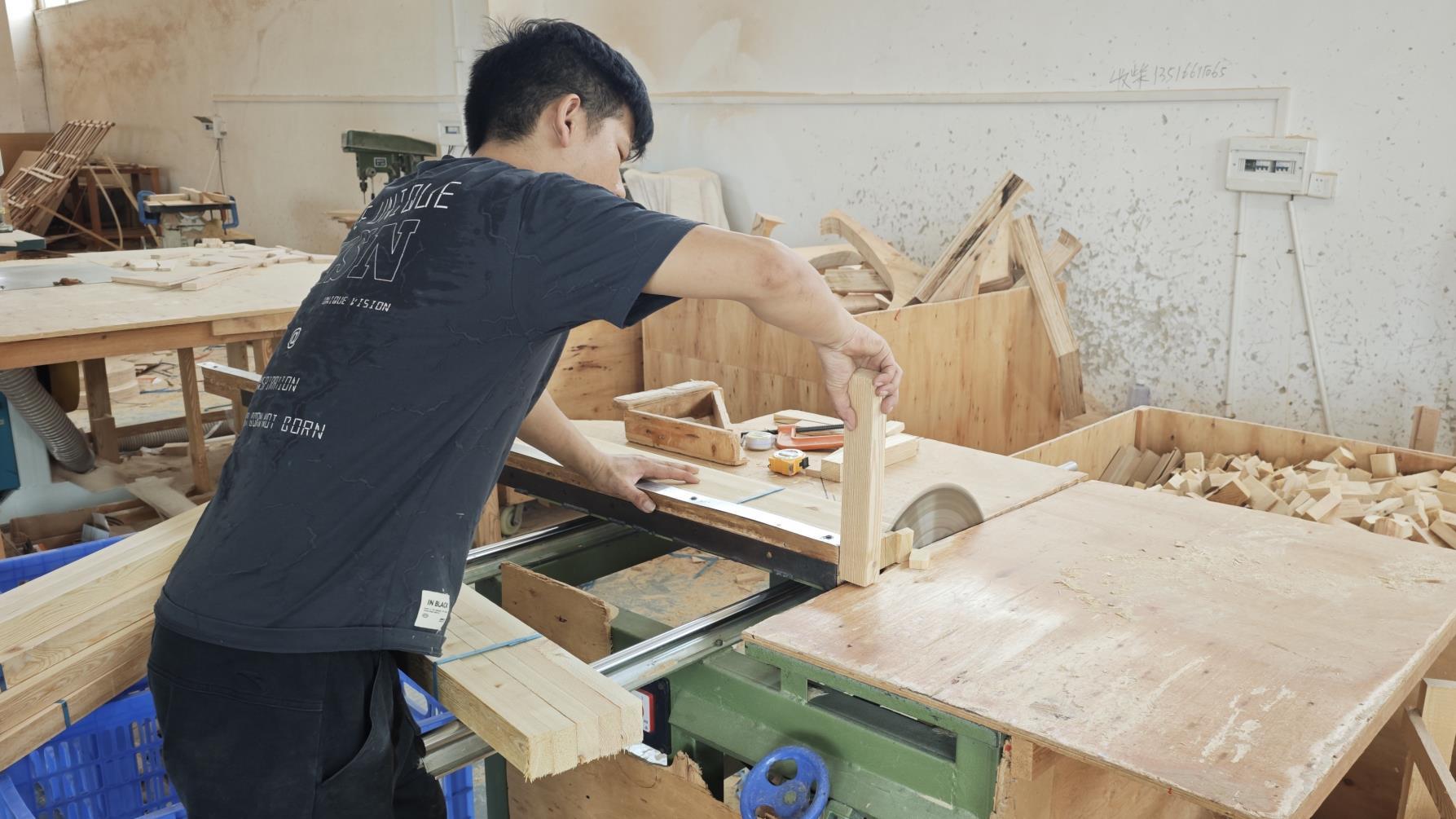
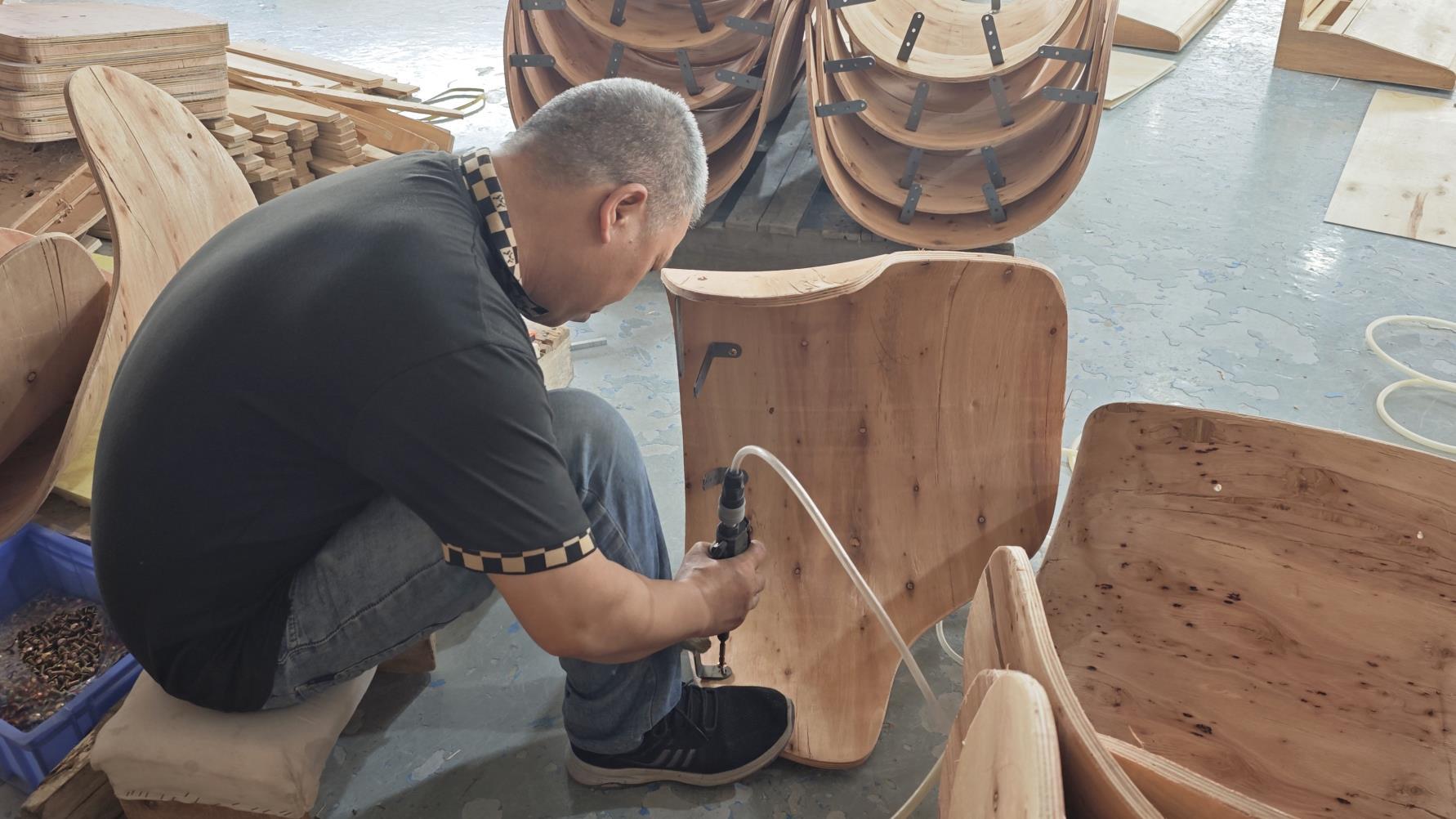
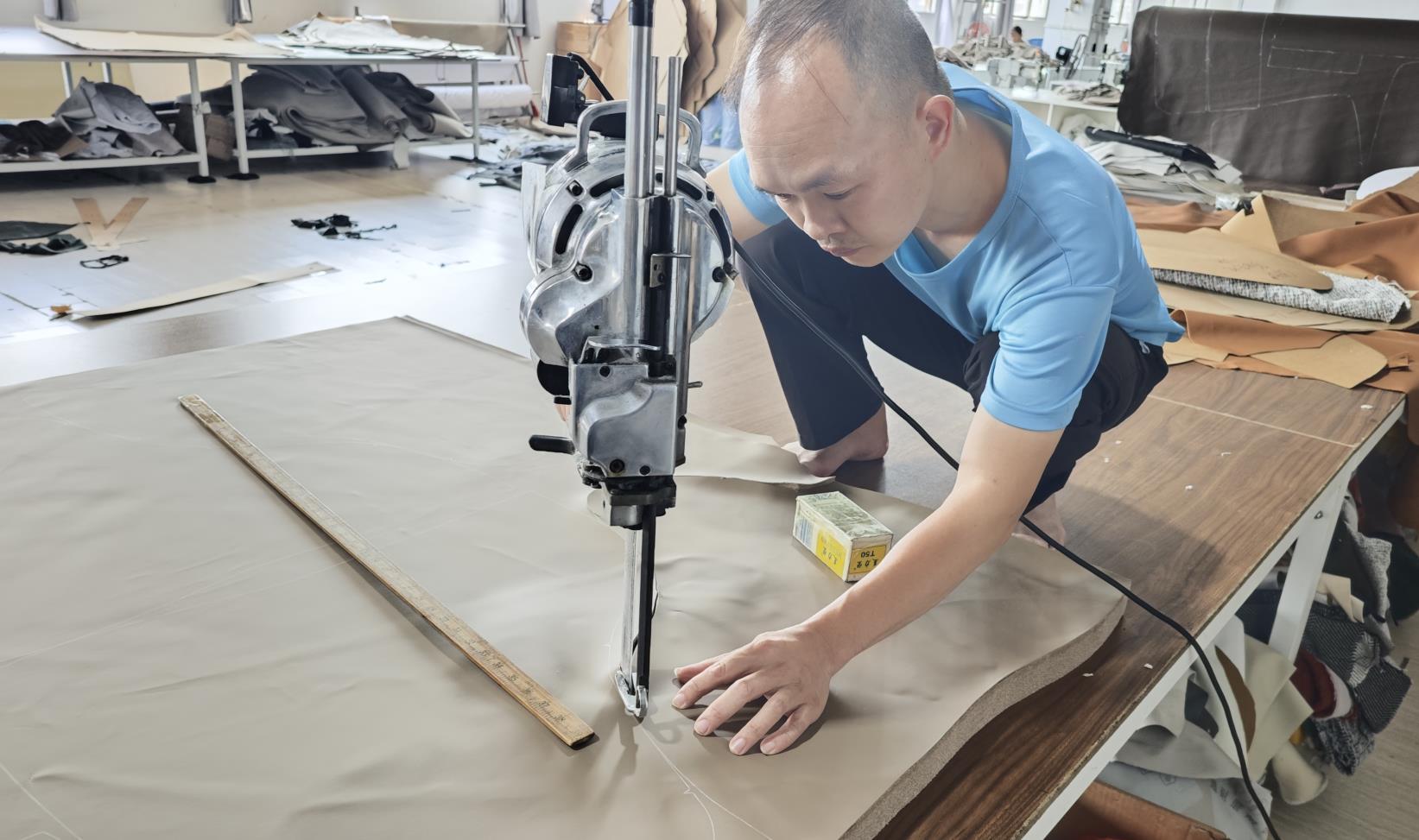
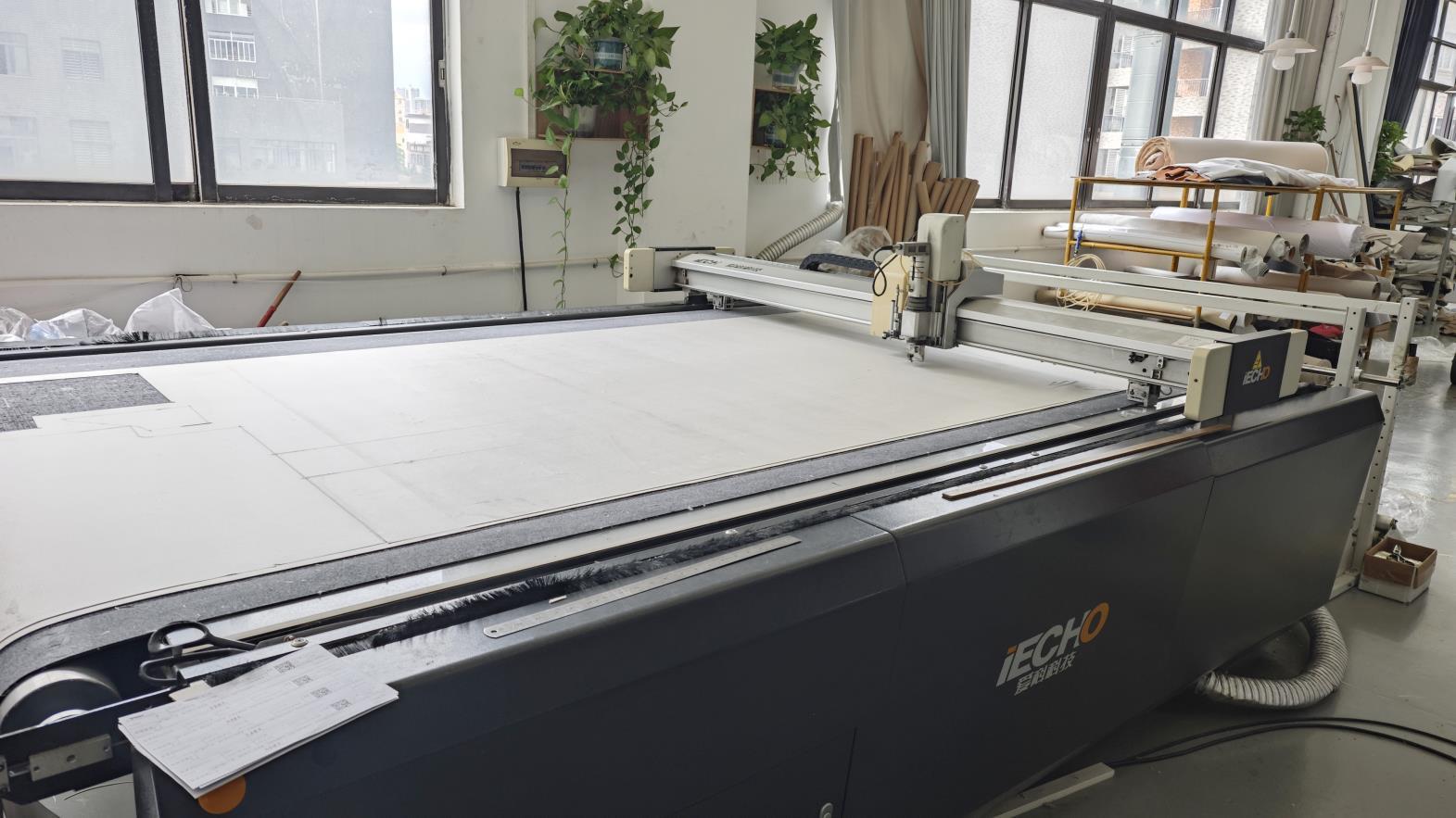
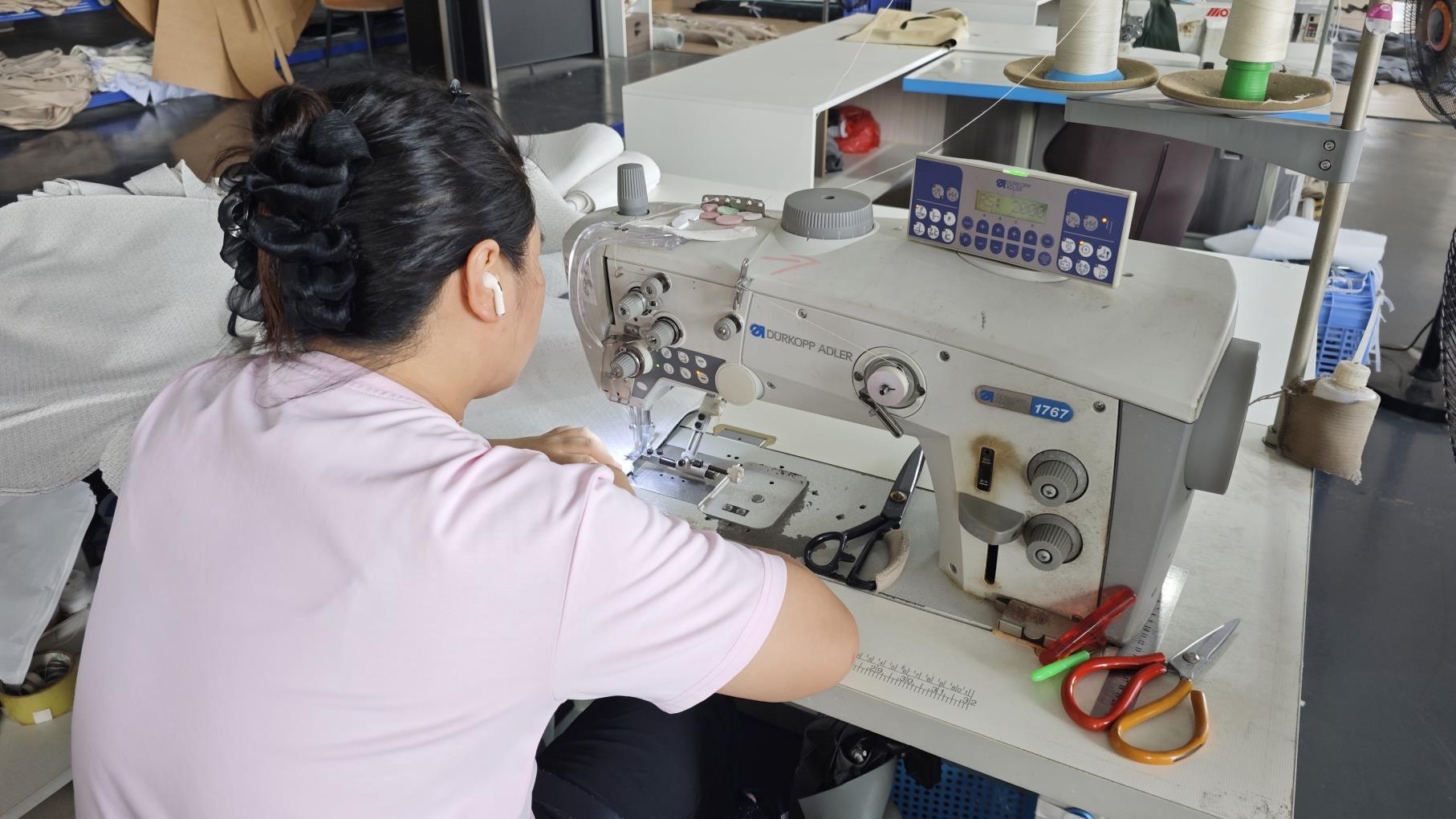
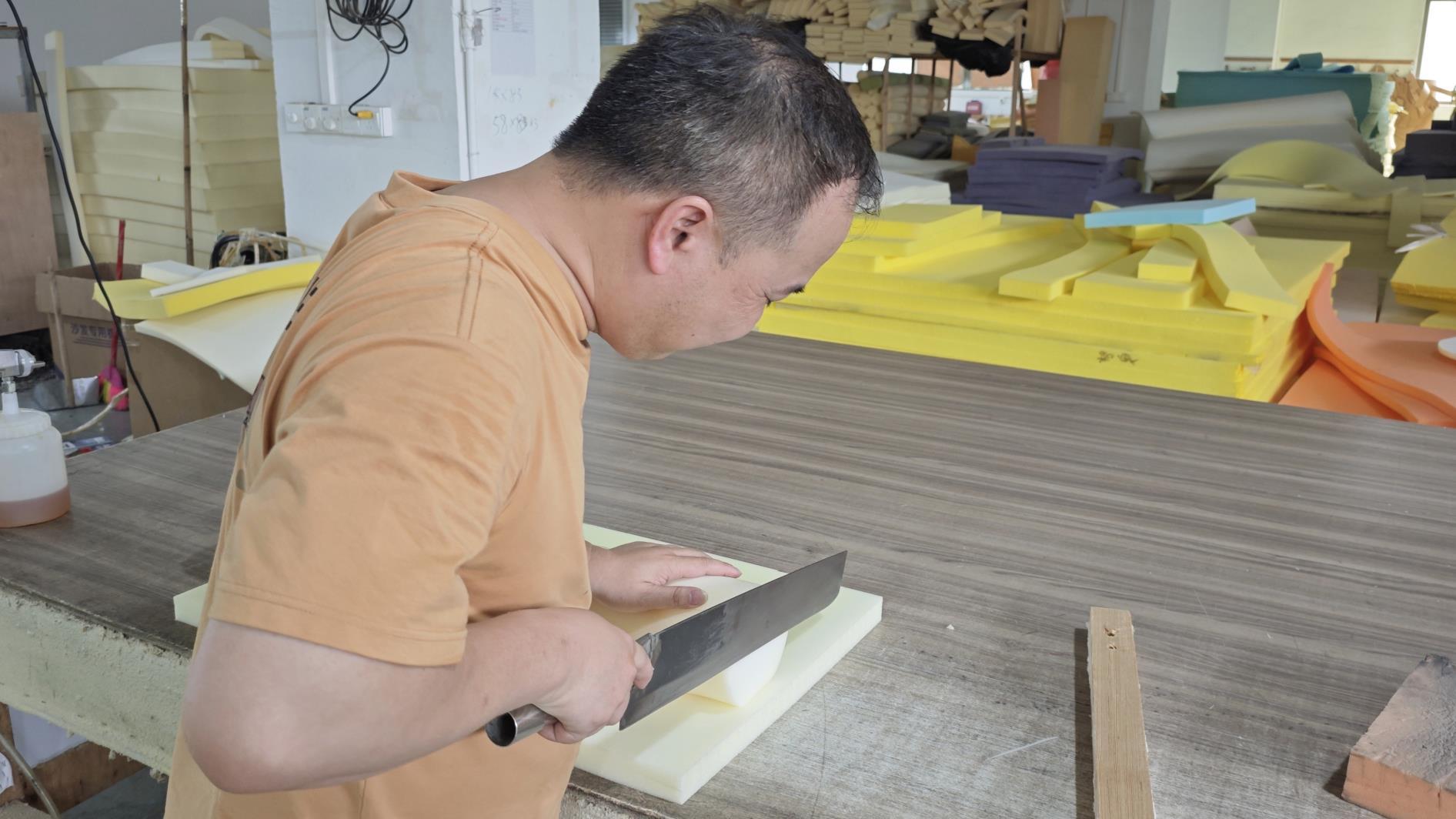
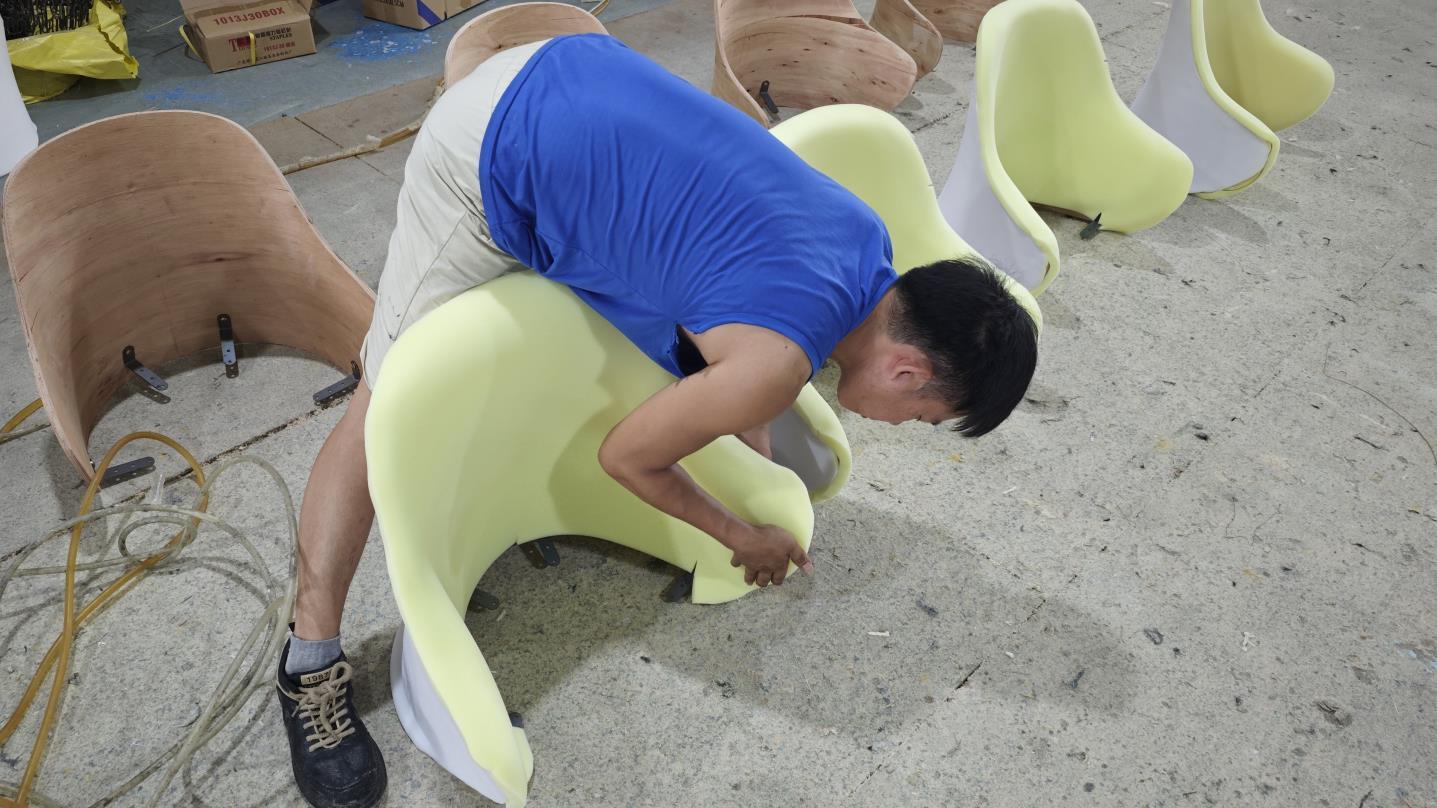
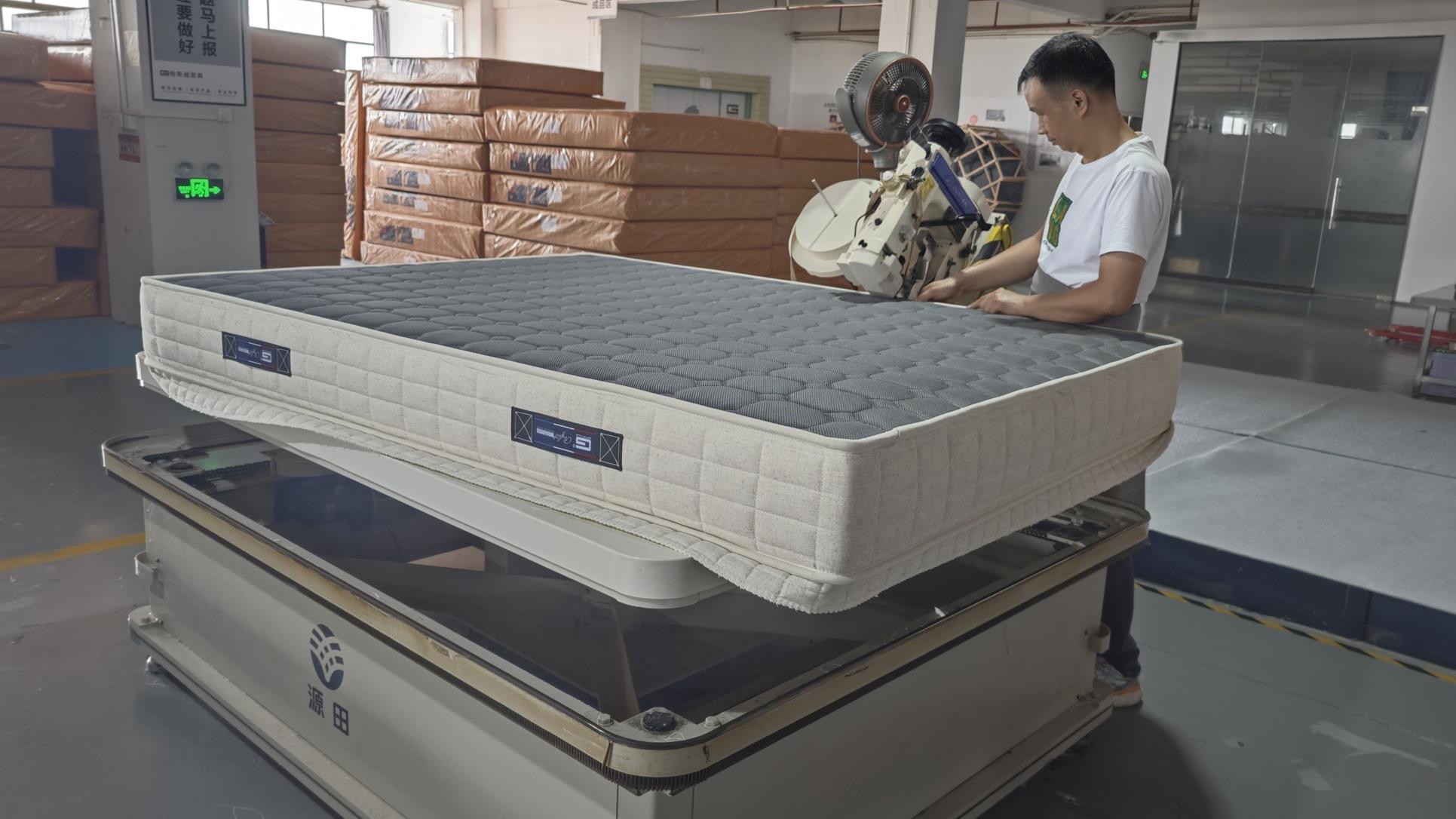
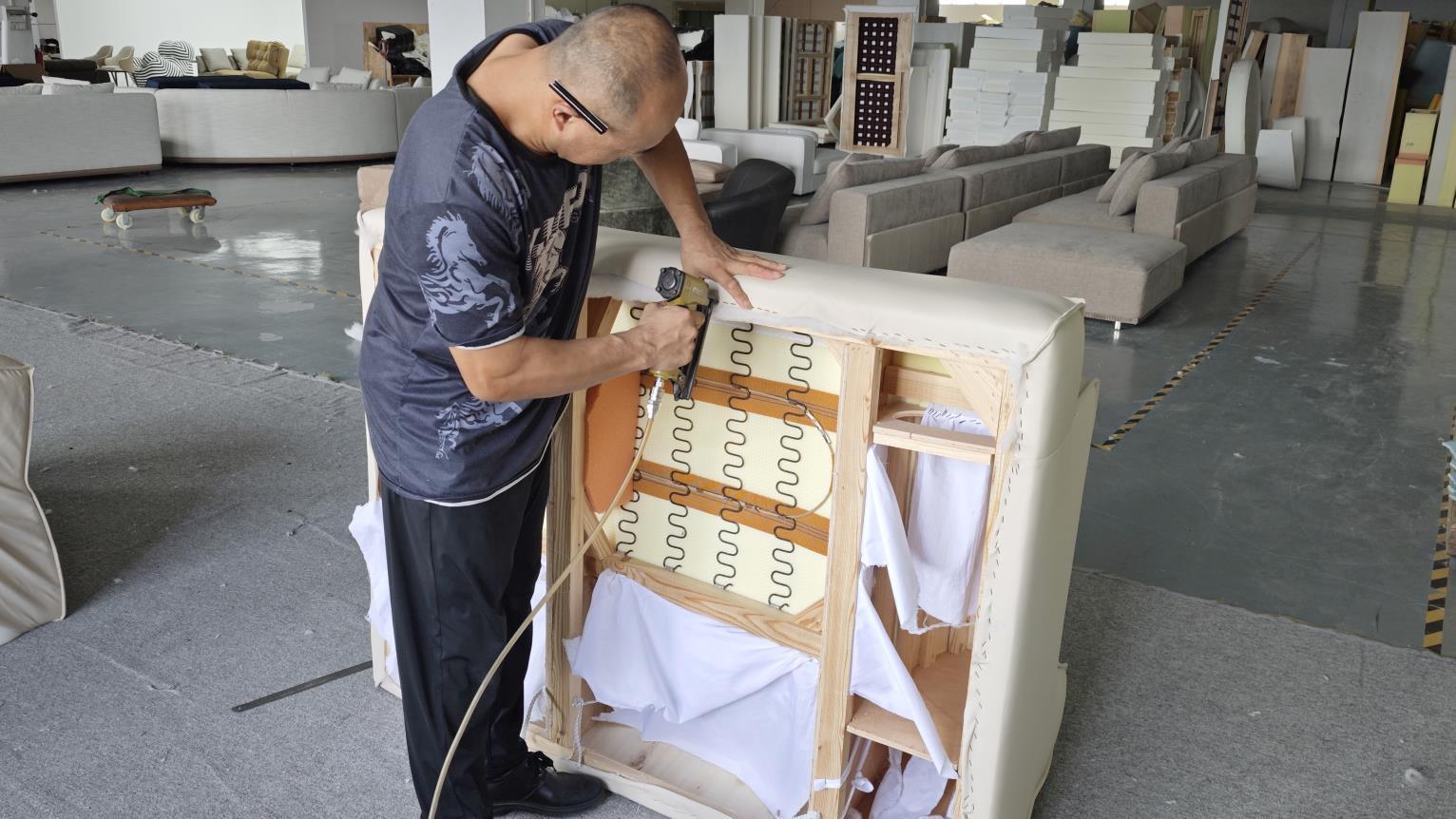
Advanced tooling machinery, automated tube-bending machines, high-throughput powder-coating lines, and highly skilled manual weaving operations allow factories to rapidly pivot from standard mass production to highly specialized custom B2B projects.
Decades of exporting experience have deeply integrated international quality standards into Foshan's manufacturing DNA. Products are designed to easily clear rigorous certifications such as ASTM, EN581, and ISO 9001.
“The vertical integration of Guangdong's supply chain enables a production efficiency factor that is up to 3x higher than emerging manufacturing regions in Southeast Asia, with a vastly superior quality control yield rate.”
Different geographic and commercial spaces demand specialized configurations. Here is how modern patio designs adapt.
The Scenario: Expansive backyard decks, suburban patios, and multi-season outdoor rooms.
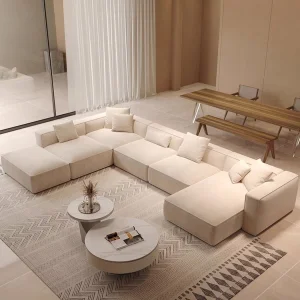
Sourcing Priorities: High-comfort, oversized deep-seating modular sectional sofas, fire pit table integrations, and highly UV-stabilized performance fabrics (such as solution-dyed acrylics) that resist fading under intense sunlight.
The Scenario: Space-constrained Parisian balconies, German sidewalk bistros, and Mediterranean rooftop terraces.
Sourcing Priorities: Lightweight, stackable aluminum chairs, foldable bistro dining sets, minimalist profiles, and materials with excellent resistance to coastal moisture and urban pollution.
The Scenario: High-temperature oceanfront swimming pools, desert resorts, and open-air luxury lobbies.
Sourcing Priorities: Extreme heat-resistant synthetic rattans, marine-grade powder-coated frames resistant to salt-water corrosion, quick-drying reticulated foam, and grand aesthetic scale.
A rigorous blueprint for commercial buyers, hoteliers, and volume distributors when vetting global suppliers.
The convergence of technology, sustainability, and hybrid design philosophy in the outdoor living sector.
Outdoor tables equipped with integrated solar charging ports, LED ambient illumination controlled via smart home ecosystems, and high-performance weather-shielded wireless speaker integrations built directly into the furniture structure.
Massive shift towards structures made from ocean-bound plastics and post-consumer recycled resins. Sourcing brands that offer verified environmental product declarations (EPD) will capture high-end institutional bids.
Design directions are focusing on outdoor furniture that looks identical to refined indoor living room lounges. Textured fabrics, sophisticated tailoring, and sleek profiles designed to seamlessly transition from indoor lounges to open-air patios.
A premier manufacturer and whole-house customization provider operating directly from the global center of furniture innovation.
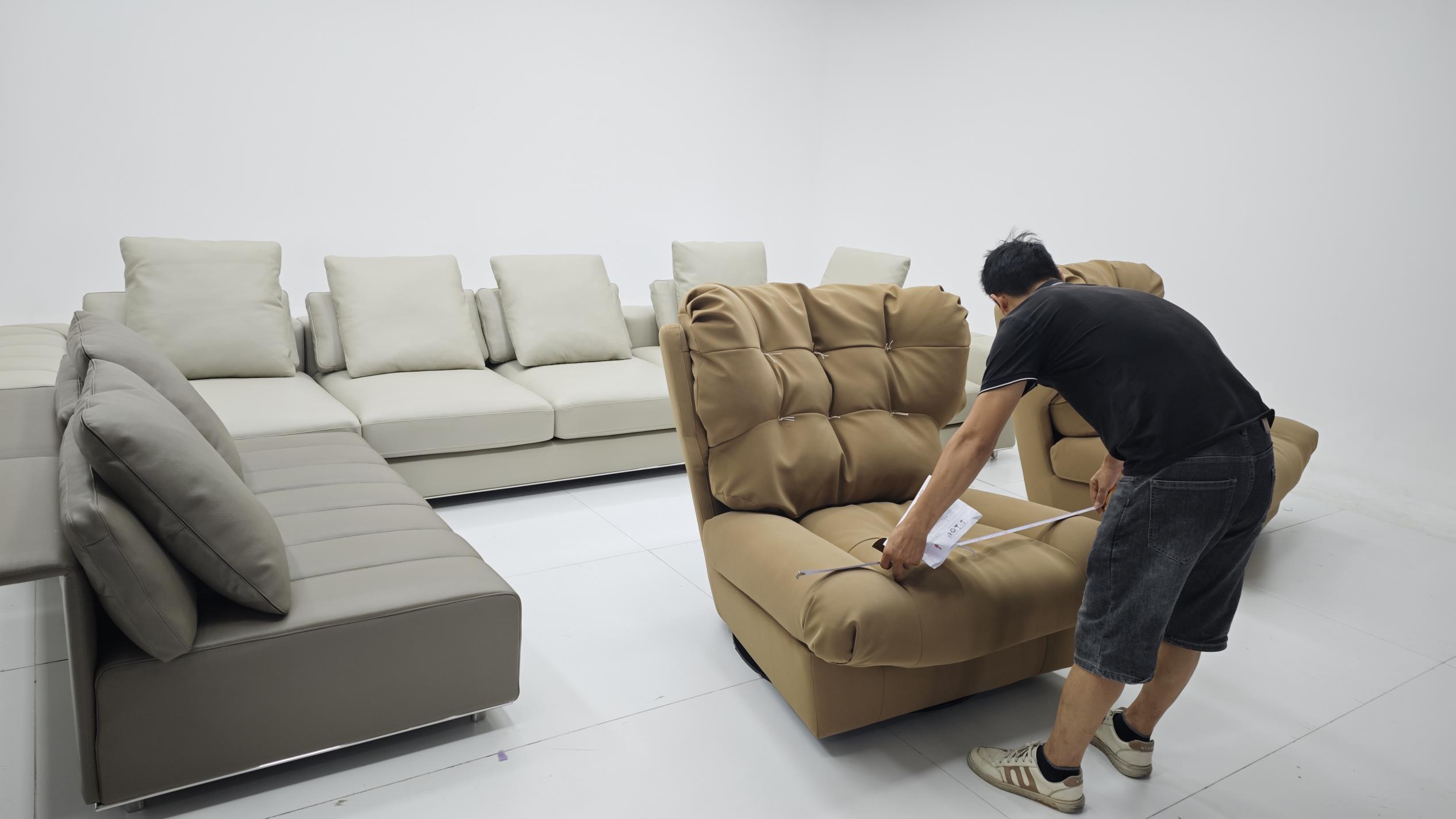
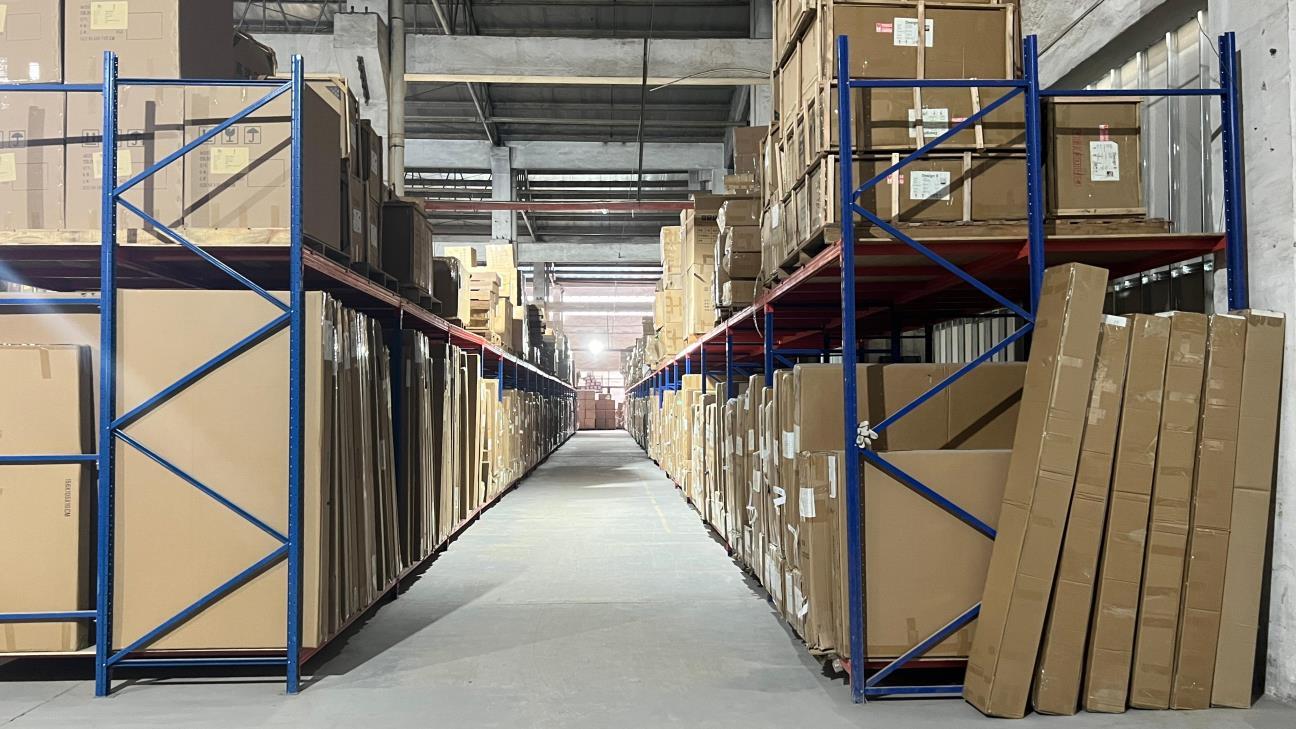
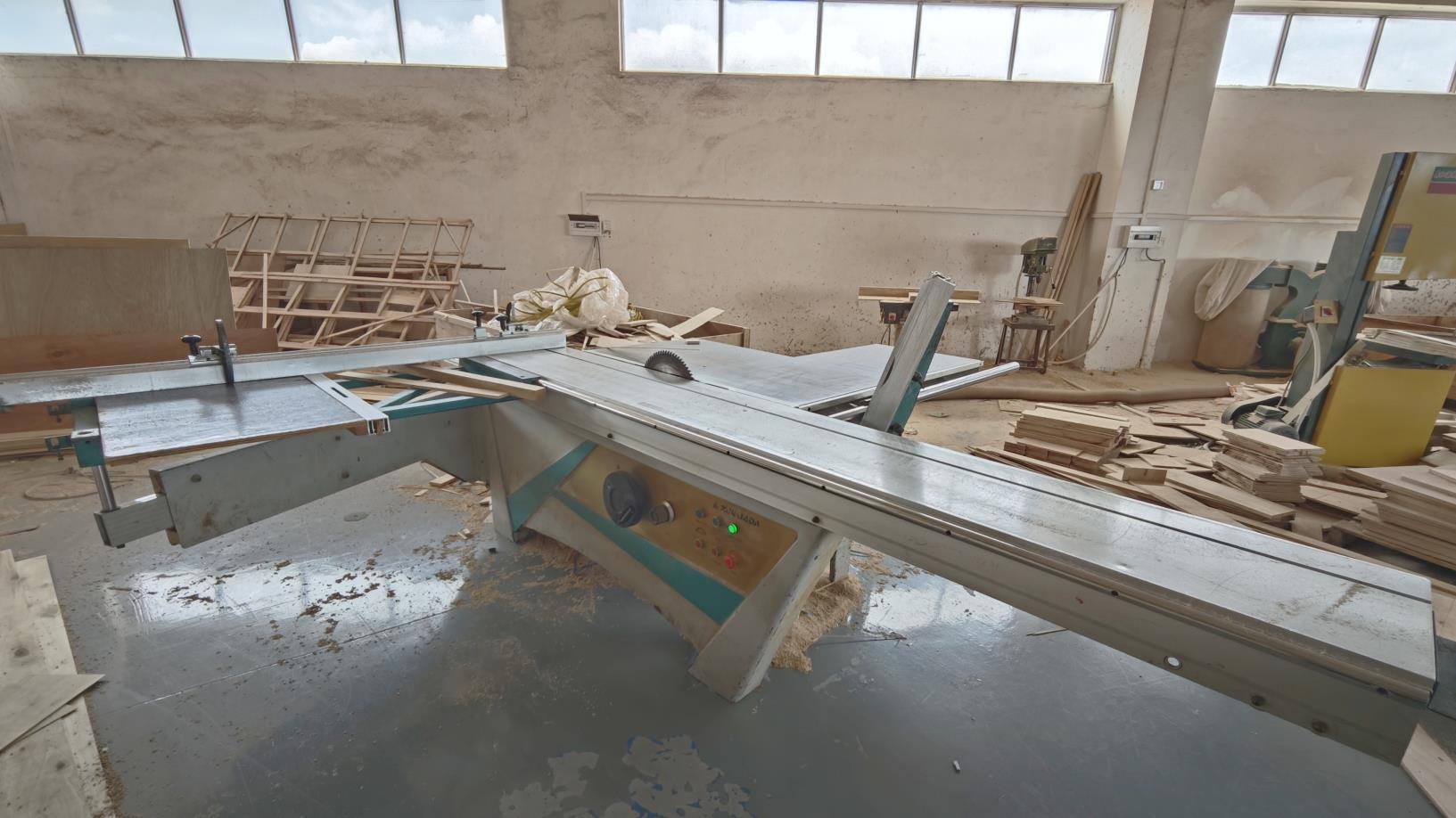
Critical commercial and manufacturing questions answered by senior supply chain experts.
Unlike developing regions in Southeast Asia that rely on imported parts, raw materials, and ancillary services, Foshan hosts a completely integrated supply chain ecosystem. From extrusion plants and chemical powder coaters to raw steel/aluminum warehouses and cushion textiles, everything is localized. This minimizes internal logistics delays, lowers material procurement costs, and supports rapid customization changes.
High-quality manufacturers implement rigorous pre-treatment cleaning to strip all oxidation from the raw aluminum. They then electrostatically apply a 80-120 micron thick coat of pure polyester or polyurethane powder. You should ask for Salt Spray Testing Reports (ASTM B117) to verify the finish will not flake or rust in harsh saltwater or highly humid environments.
Commercial-grade outdoor furniture designed for resorts, hotel lounges, and offices typically carries a structural warranty of 3 to 5 years. Synthetic materials like HDPE wicker and performance fabrics like solution-dyed acrylics usually come with a performance guarantee of 2 to 5 years against significant fading, rotting, or tearing.
Because ocean freight pricing is highly space-dependent, structural pieces that do not stack can lead to high shipping costs. Experienced suppliers design products with semi-KD (Knocked Down) structures, allowing parts to nest tightly. This dramatically reduces total cubic meters (CBM) in shipping containers while ensuring the furniture can be easily reassembled on-site.
High-grade structural wood, modular layouts, and refined dining solutions for global buyers.
 Ambrose Home